
Queen-mother Declares War On The Wearing Of Miniskirts At Mepe
She explained that traditional female attire involves wearing clothes with a scarf tied on the forehead, signifying responsible women in Ewe and Mepe culture.

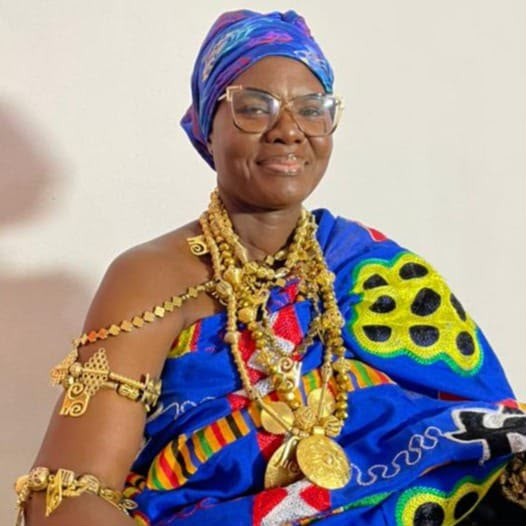
The Queen-mother of the Akorvie Royal Divisional Clan in the Mepe Traditional Area in the North Tongu District of the Volta Region, Mamaa Abla Antwiwaa II, has advised women—particularly young ladies—against wearing miniskirts in public places in Mepe and across Ghana as a whole.
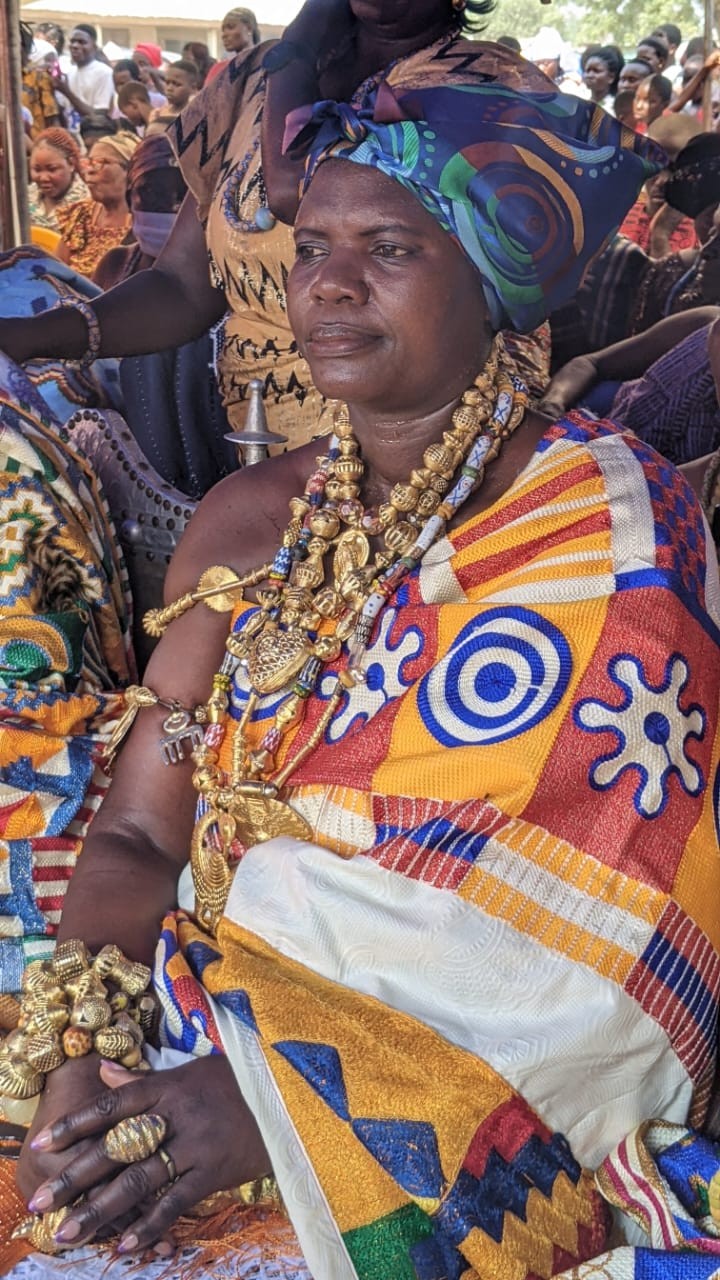
She explained that traditional female attire involves wearing clothes with a scarf tied on the forehead, signifying responsible women in Ewe and Mepe culture.
The Queenmother further advised young ladies to dress modestly and appropriately in public without exposing their bodies.
Speaking in an interview on Mepe Reform Union WhatsApp group platform hosted by the Union's Communications Director Mr Prosper Seloame Sevor on Thursday July 23, 2026, Mamaa Abla Antwiwaa II, stressed hat the children should respect and adore the cultural heritage and values of Mepe, which is the best antidote for a better future.
According to the revered Queenmother, it is high time for young people to understand Mepe's cultural values and learn the heritage that guides societal living.
She stated that, according to the cultural heritage of Mepe and the Ewe people as a whole, it is a collective responsibility for mothers to ensure their children respect all elders.
"We as mothers teach our children to respect any elderly person in society, not just their parents," Mamaa Abla Antwiwaa II reaffirmed.
She emphasized that children in the Mepe enclave must respect their traditions, customs, and elders, regardless of faction or background.
She also highlighted the urgent need for young people to respect one another and advised children to respect younger generations.
She noted that the way we talk, eat, dress, dance, and walk identifies who we are.
The Queen Mother stated that the kind of work we do identifies us as citizens of Mepe.
She added that the friendships we make identify who we are as citizens of Mepe.
She recalled how, in the old days, any elderly person could punish misbehaving children, regardless of family relationships.
"If an elderly person saw children doing wrong in public, they would punish them to serve as a deterrent," she noted.
What's Your Reaction?
 Like
2
Like
2
 Dislike
0
Dislike
0
 Love
0
Love
0
 Funny
0
Funny
0
 Wow
0
Wow
0
 Sad
0
Sad
0
 Angry
0
Angry
0