
Dr. Edem Segbefia Highpoints Transport Sector Reforms Promotes NDC Grassroots To Boost Government Actions
We will be better safe on our roads, we will rejoice together, smile together, sell the good news together, and share the glory together as grassroots. The roads that were broken are being rebuilt. Savanna is not left behind.


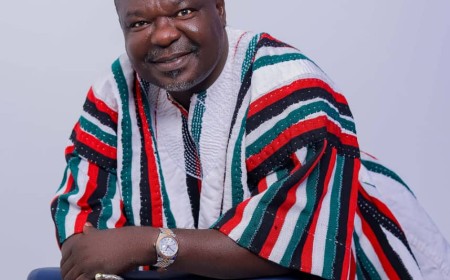
Aspiring National Vice Chairman of the National Democratic Congress (NDC), Dr. Edem Segbefia, has revered the transport sector reforms initiated by the administration of President John Dramani Mahama, re-numeration them as a surprising change that has transformed Ghana’s transport section and better-quality the lives of normal people in changing the narrative.
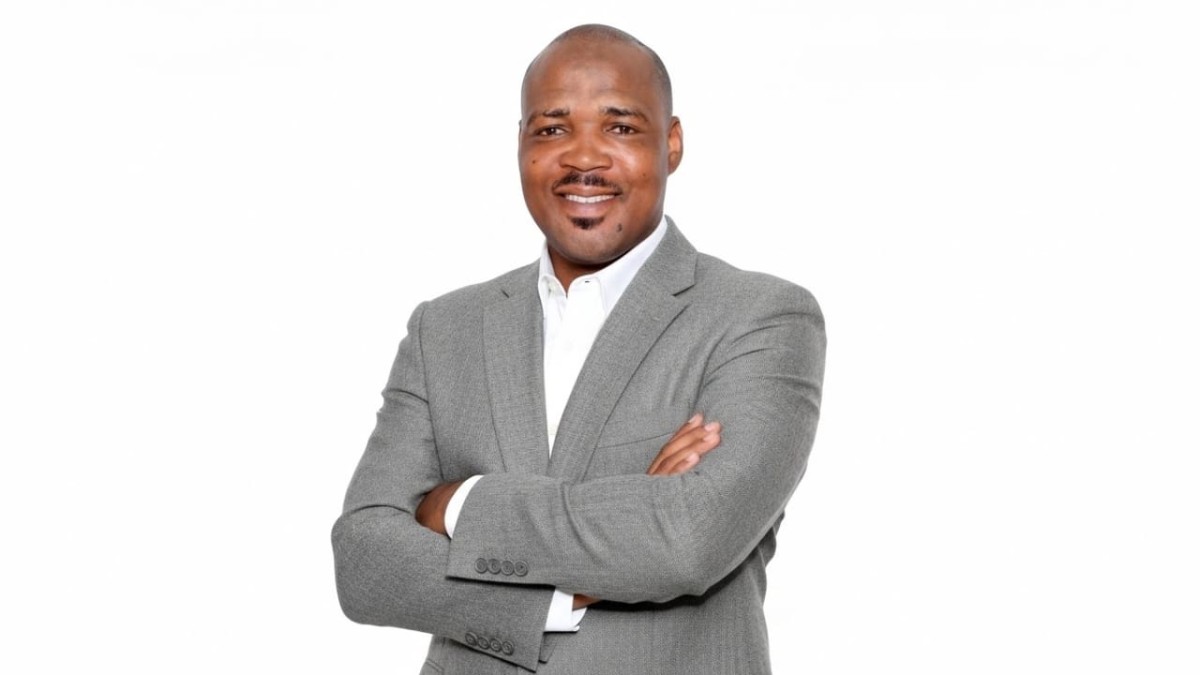
Conversation with the political party grassroots representatives during an interactive visit to the savanna region, Dr. Segbefia said the Mahama administration inherited a transport sector shocked by road sector in Crisis, broken public transport system, chaotic urban mobility, fragmented policy and no integration, failed BRT and digital systems, safety and roadworthiness issues.
Ghana had a transport system that moved more vehicles than people, wasted productive hours, inflated fares, and put commuters at risk. The gap between announcements and execution was the most persistent problem.
.Since taking office, President Mahama has moved the transport sector from crisis to recovery through the “Big Push” and procurement reforms. Dr Edem Segbefia accompanied himself in changing the narrative and settled the following as success story to establish his proof.
Dr. Edem Segbefia stated that clearing debt and restarting stalled projects inherited GHS 20B+ in unpaid contractor bills and GHS 105B in commitments for 2018-2024 works.
The government began paying arrears and restarting 85% of stalled road contracts with all contractors are back on site across regions. Reorganized DRIP equipment into regional mobile maintenance units for faster emergency repairs when rain cut roads.
Launching the “Big Push” programmed nationwide program to rehabilitate feeder roads, urban roads, and highways. Focus on high-impact routes that connect farming areas to markets and district capitals.
Dr. Edem Segbefia indicated that modernizing revenue and maintenance reintroducing road tolls using modern technology to improve collection and transparency.
The government is targeting sustainable funding, so roads don’t collapse 2 years after construction. Fixing public transport planning policy shift toward formalizing the tro-tro sector, fleet renewal incentives, and digital ticketing to generate planning data. Government commitment to one fully operational BRT corridor on Mallam-Kasoa as a model for Accra.
Lower costs and faster travel better roads cut vehicle operating costs by up to 30%. Tro-tro and bus fares drop when vehicles spend less on repairs and fuel.
Reduced travel time means farmers and traders spend more time selling, less time on the road.
He observed that Market access for farmers feeder road rehabilitation connects villages in savanna region and district markets and produce gets to Savanna, Accra, and Kumasi before it rots.
Middlemen lose their monopoly, jobs for the youth, and local contractors for each major road project create 1,800 direct and 4,500 indirect jobs. Contractors are hiring locally for labor, haulage, and supply, regional maintenance units need drivers, mechanics, and supervisors.
Safer, more reliable transport means fewer breakdowns and accidents on rehabilitated roads.
Less congestion when BRT corridors and dedicated lanes are enforced. Political Capital for NDC When roads are fixed and fares drop; people feel it directly. It builds trust and loyalty in NDC strongholds and swing areas.
With better roads, form cooperative haulage groups to move produce directly to urban markets and cut out middlemen.
Use shorter travel times to get to market early when prices are high. Roads that were previously cut-off areas open to new buyers in neighboring districts. Register with local assemblies for labor, haulage, and supply contracts under Big Push projects. With lower vehicle costs, youth can invest in tro-tros, taxis, and cargo tricycles for intra-district transport.
Repair shops, food stalls, and fuel points thrive when traffic increases on improved roads, organize rallies, and outreach using improved road networks. It’s cheaper and faster to reach branches.
Take photos and videos of complete roads and share them in communities. Show farmers how new roads, Farmer Service Centers would be generating more income. Big Push is putting money and equipment back on the ground. Grassroots that organize these projects will see direct income, lower costs, and a stronger case for NDC in 2028.
Comrades, Better roads mean fewer accidents and shorter journey times to school, hospital, and market. Good roads reduce vehicle damage and fuel use, so transport fares drop. Your produce gets to Savanna, Tamale, Accra, and Kumasi before it spoils.
Road projects are employing local people and creating income right here at home. No more being cut off when the rain comes. This is the reputation of being appropriate to the ruling party that solves real challenges.
When people see roads being fixed and travel becoming easier, they know it is NDC delivery. This gives us massive opportunity to stay in power for long. A good transport system moves goods, people, and votes.
When Savanna is connected, the whole country moves forward. So let us stand together and share this good news.
We will be better safe on our roads, we will rejoice together, smile together, sell the good news together, and share the glory together as grassroots. The roads that were broken are being rebuilt. Savanna is not left behind.
What's Your Reaction?
 Like
0
Like
0
 Dislike
0
Dislike
0
 Love
0
Love
0
 Funny
0
Funny
0
 Wow
0
Wow
0
 Sad
0
Sad
0
 Angry
0
Angry
0