
Malawi Endures Jospong Waste Management Investment At COP31
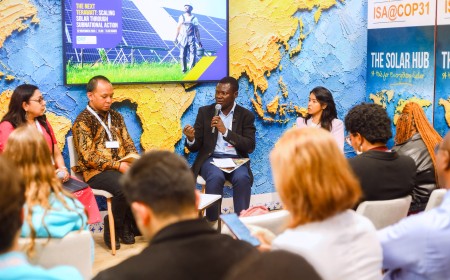
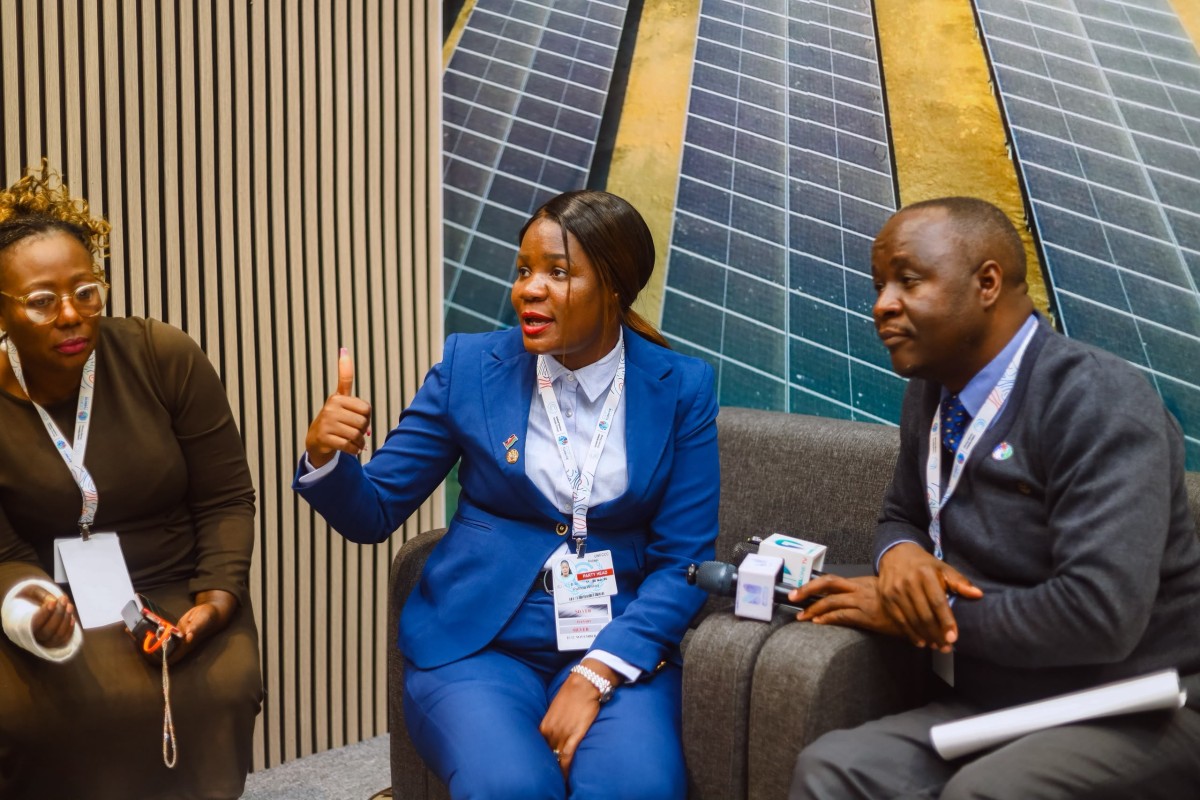
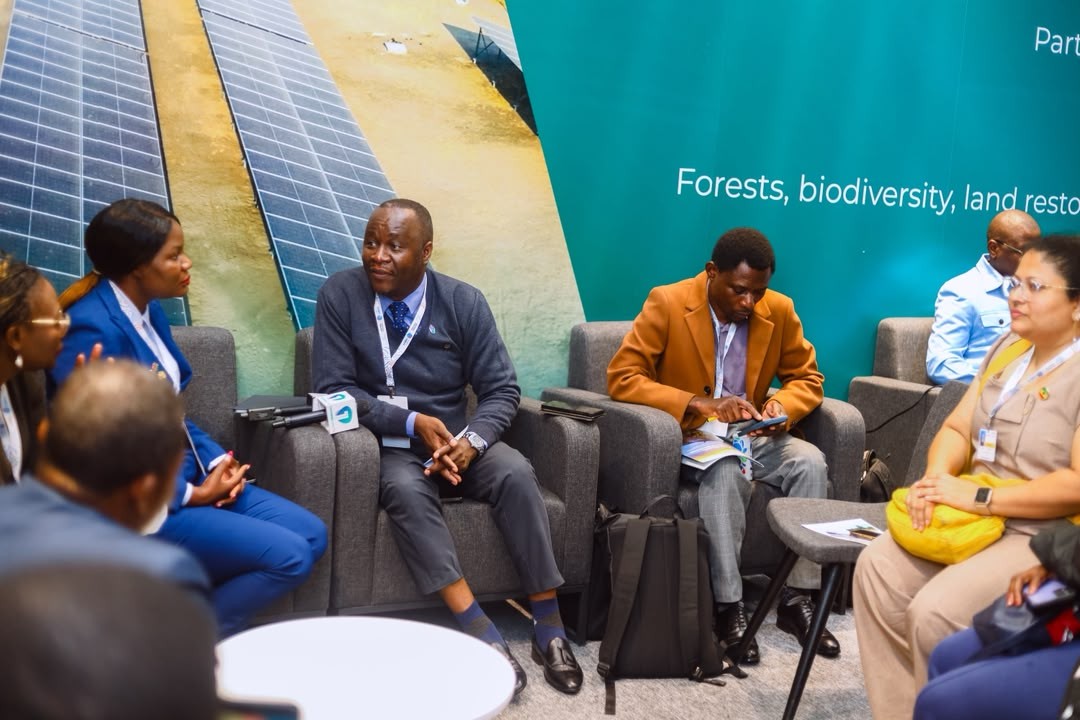
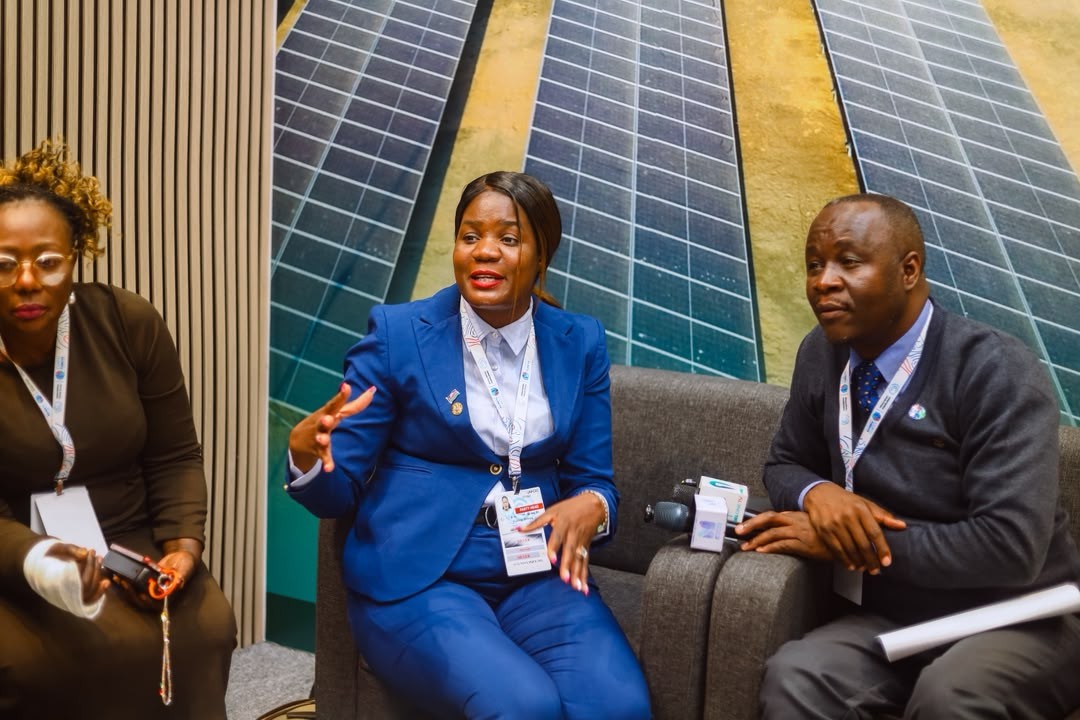
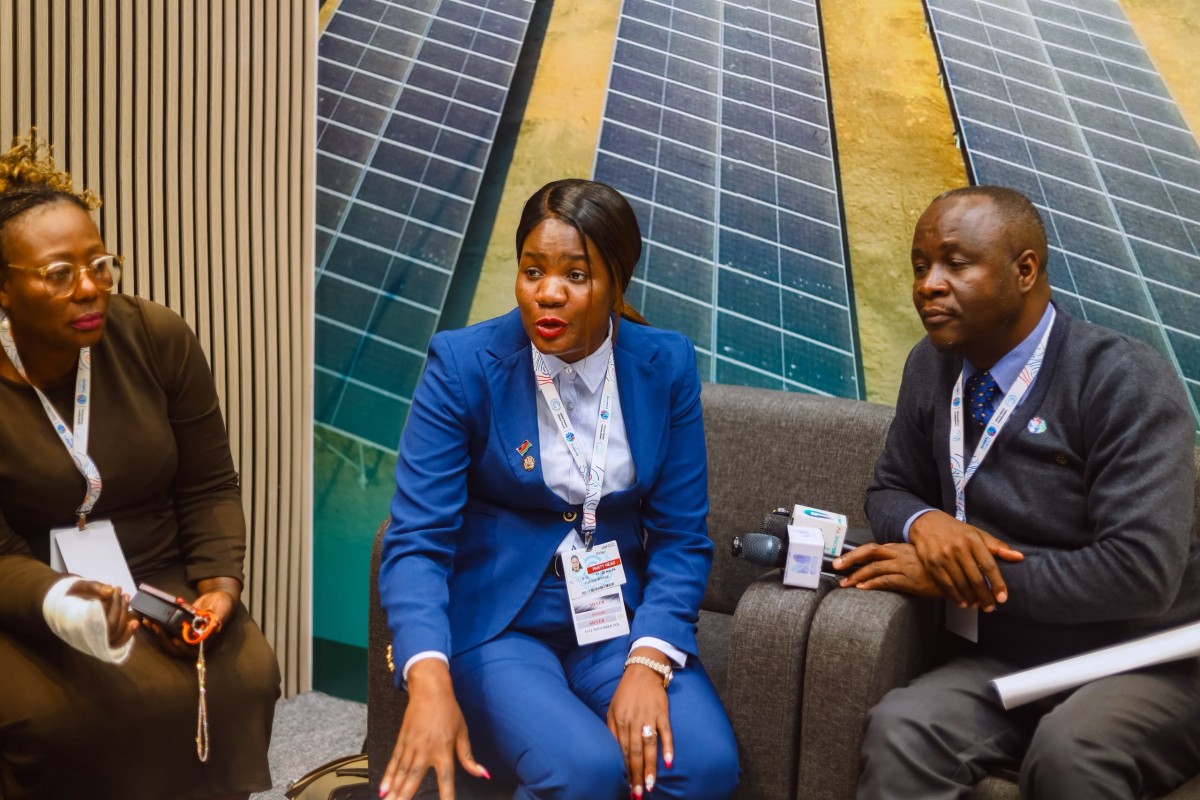
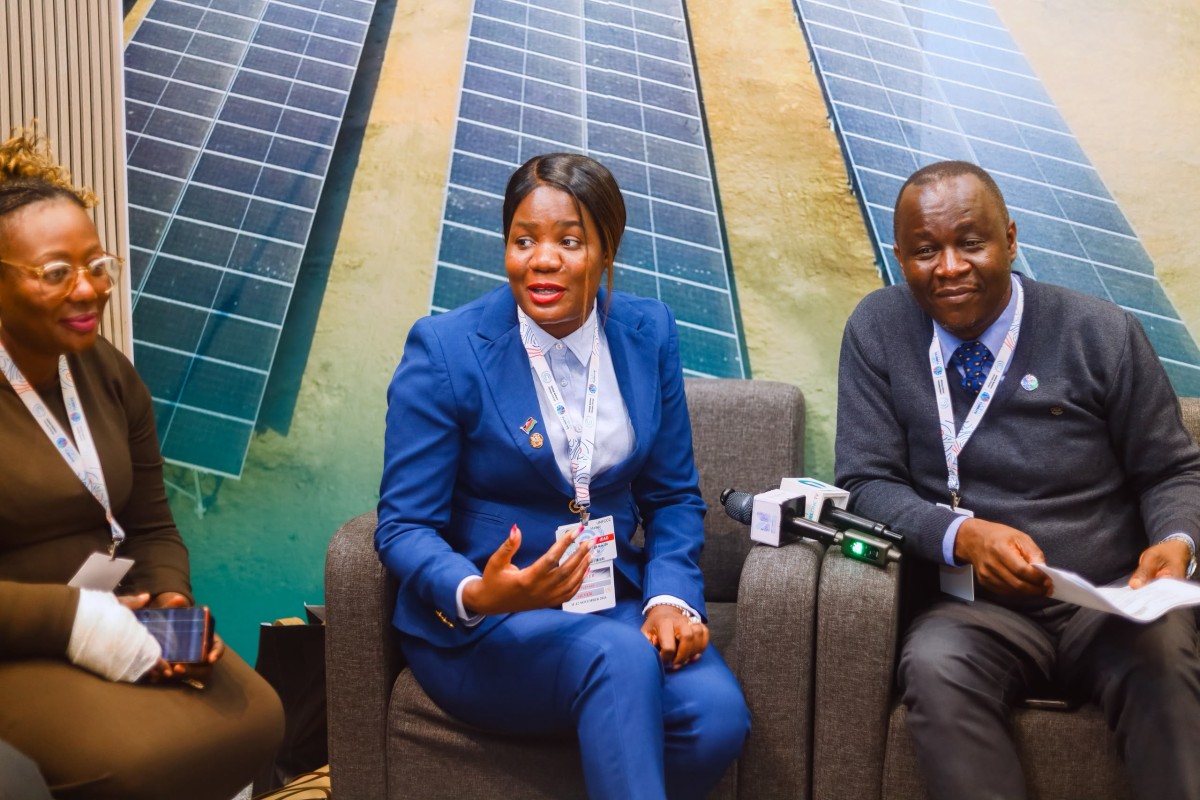
Dr. Misheard Yagontha Munthali, Principal Secretary at Malawi’s Ministry of Natural Resources disclosed this during an interaction with the media on the sidelines of COP31 in Antalya, Türkiye, saying the approval by the Public-Private Partnership Commission Board had cleared the way for the next stage of discussions.

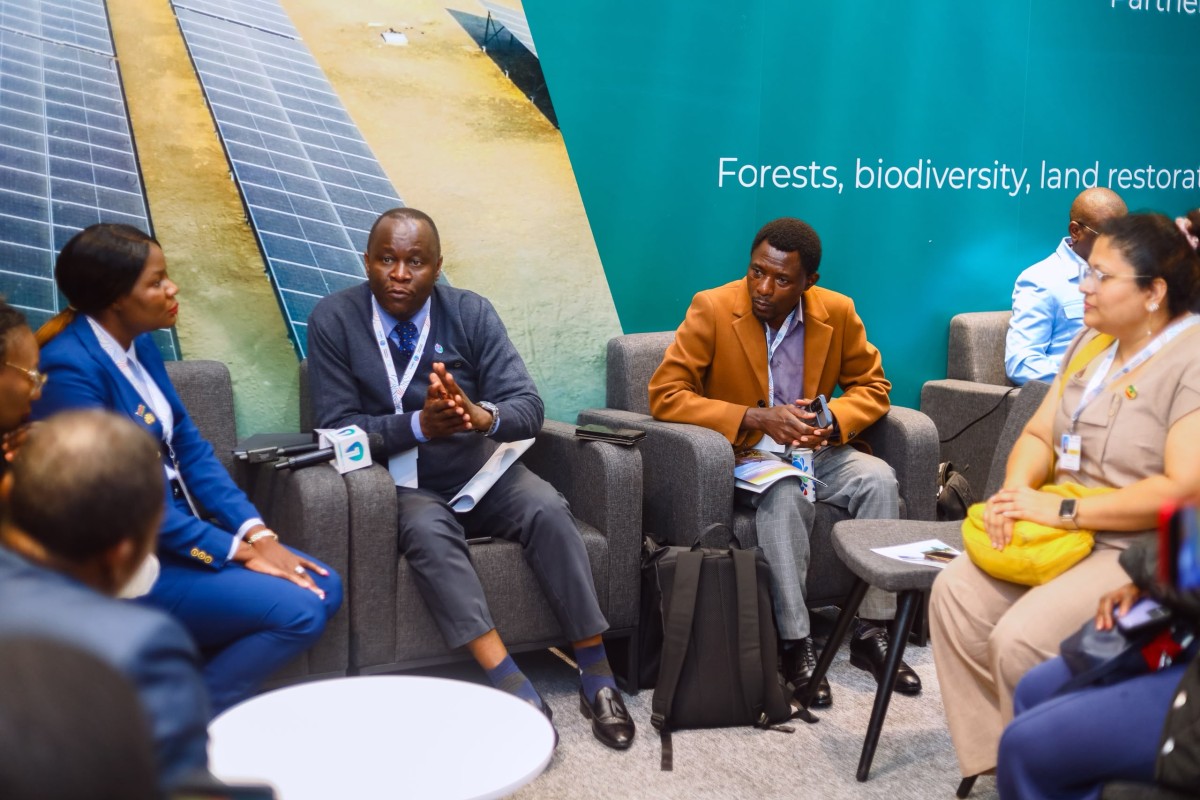
Malawi has approved a proposal allowing Ghana’s Jospong Group of Companies (JGC) to undertake a feasibility study for the establishment of integrated waste management facilities in the country, marking a major step towards a potential partnership between the two parties.
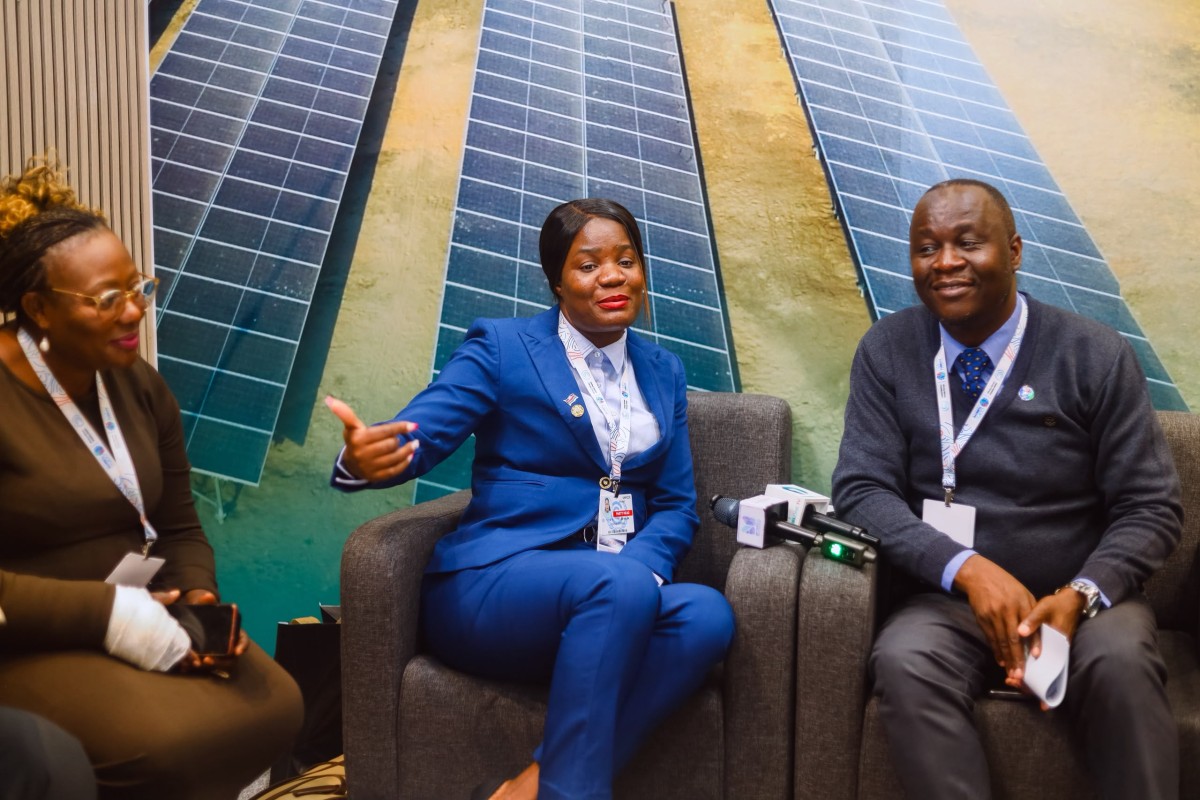
Dr. Misheard Yagontha Munthali, Principal Secretary at Malawi’s Ministry of Natural Resources disclosed this during an interaction with the media on the sidelines of COP31 in Antalya, Türkiye, saying the approval by the Public-Private Partnership Commission Board had cleared the way for the next stage of discussions.
Speaking on behalf of the Minister, Hon. Patricia Wiskes, he said the proposed collaboration followed visits by the Malawian delegation to Ghana, where it engaged Jospong and signed a memorandum of understanding outlining areas of cooperation.
Dr. Munthali, explained that the feasibility study would help determine the scope and requirements for establishing the facilities.
“I am glad to report that last week the Board was able to meet and has fully approved that Jospong can now come and do a full feasibility study of their operations in Malawi,” he said.
He explained that Jospong was expected to arrange a date with the Ministry for the formal issuance of a letter authorising the study.
The initial proposal is to explore opportunities in four city councils: Lilongwe, Blantyre, Zomba and Mzuzu, before considering possible expansion to 28 district councils.
Dr. Munthali said the feasibility study would guide both parties on the appropriate locations, investment requirements and next steps towards establishing the integrated waste management facilities.
He described the approval as a major breakthrough, adding that Malawi was eager to move quickly towards the proposed partnership.
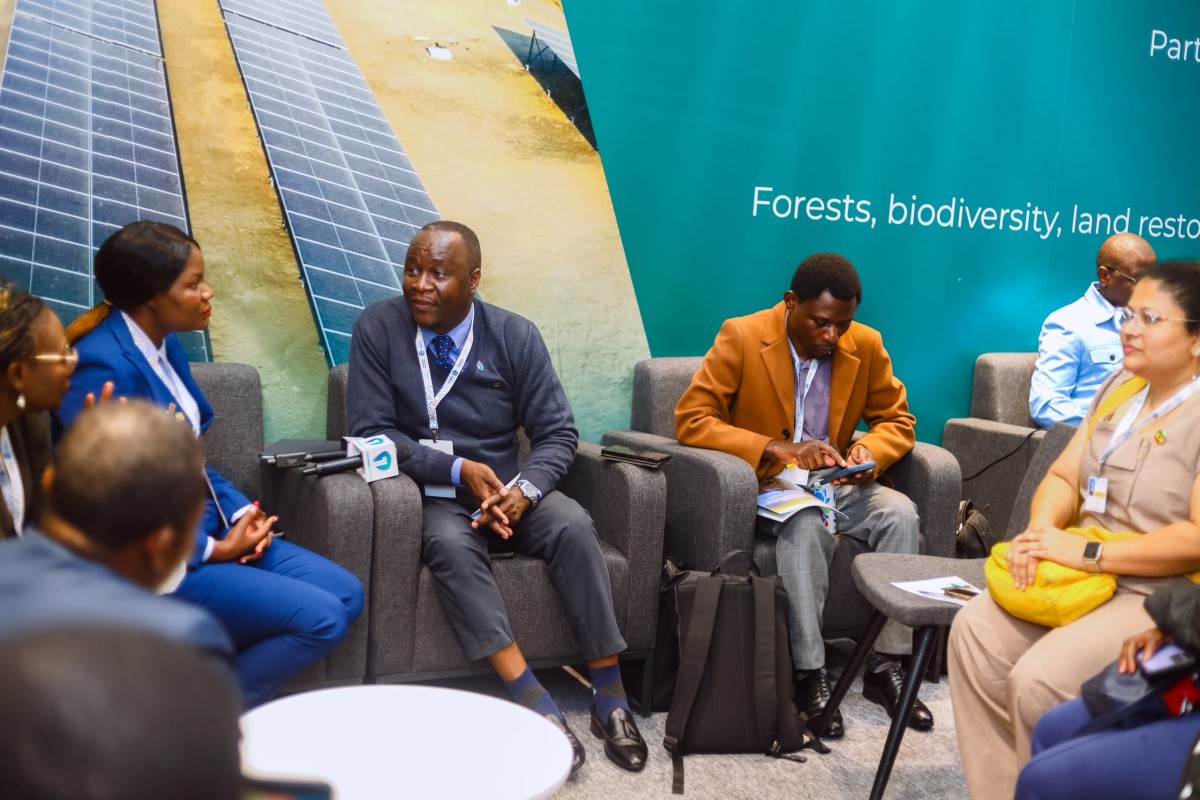
Waste as an economic opportunity
The Principal Secretary said the visit to Jospong's operations in Ghana had changed the delegation's perception of waste management, shifting the focus from waste as an environmental nuisance to its potential as an economic resource.
“For a long time, we used to look at waste as something bad or a nuisance or a problem. But when we visited Jospong, we realised that actually waste is a big economic opportunity,” he stated.
He noted that waste processing could generate useful products and resources while improving sanitation and creating employment opportunities.
According to him, the proposed partnership could support cleaner cities, create jobs for young people and open up economic opportunities for women and other groups.
Munthali said Malawi was particularly interested in learning how waste could be converted into products such as fuel, gas and other materials.
Local businesses to remain involved
The Minister Natuaral Resources, Hon. Patricia Wiskes, responding to a question on how foreign project crowd out local stakeholders, she stressed that the proposed arrangement was not intended to displace local waste management operators and small-scale businesses.
She said the government and Jospong had discussed a model under which existing local operators would continue collecting waste from communities and transporting it to designated facilities for further processing and management.
Our agreement with Jospong is that we are actually not going to push these small-scale business people out of business, but we'll find a way to coordinate with them,” she said.
Under the proposed arrangement, Jospong would concentrate largely on managing waste at designated sites, while local businesses and existing operators would retain responsibility for collection within the cities.
Wiskes said effective coordination would be necessary to ensure a steady supply of waste to the facilities and protect the interests of all parties.
She added that the feasibility study would identify operational gaps and help determine how local businesses could be brought into discussions on the partnership.
Skills transfer and carbon credits
Tawonga Mbale-Luka, Director of Environmental Affairs, noted that Malawi expected foreign investors to work with local partners to strengthen domestic capacity.
She said such collaboration would promote the transfer of knowledge and technical skills, ensuring that local businesses and the country benefited from the investment.
Wiskes also noted that Malawi was interested in exploring opportunities to generate carbon credits from waste management, drawing on Jospong's experience in developing carbon projects.
She further highlighted the Group's experience in rehabilitating landfill sites for alternative community uses, including converting overused landfill areas into community parks.
“We also want to learn how we can create the same with some landfills that are overused. Maybe we can also remodel them to become a community park,” she said.
The proposed feasibility study is expected to provide the basis for a roadmap outlining the investment, operational arrangements and potential expansion of integrated waste management facilities in Malawi.
What's Your Reaction?
 Like
0
 Dislike
0
 Love
0
 Funny
0
 Wow
0
 Sad
0
 Angry
0