
Volta Regional MinisterCalls On Chiefs And Residents To End Chieftaincy And Land Disputes
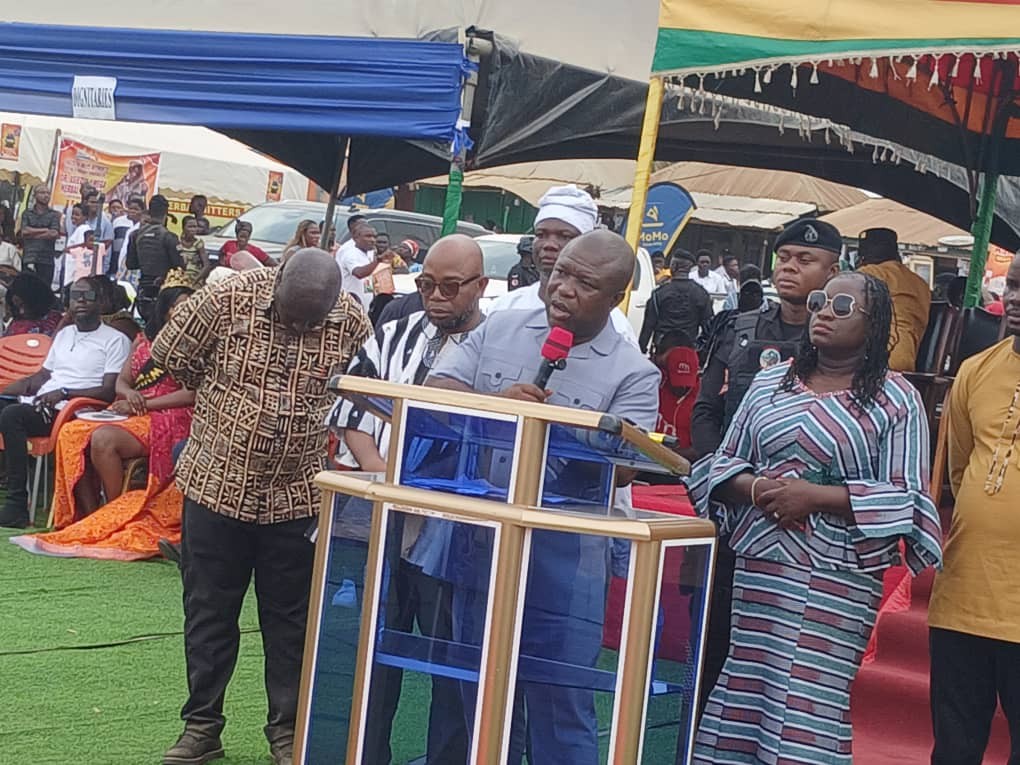
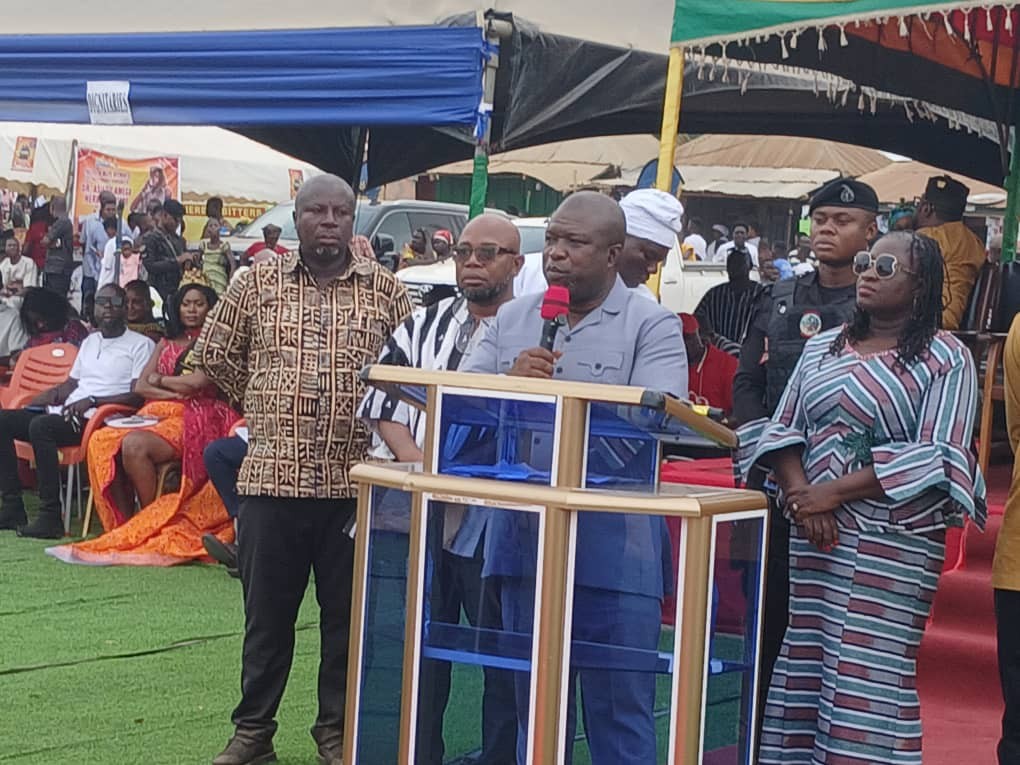
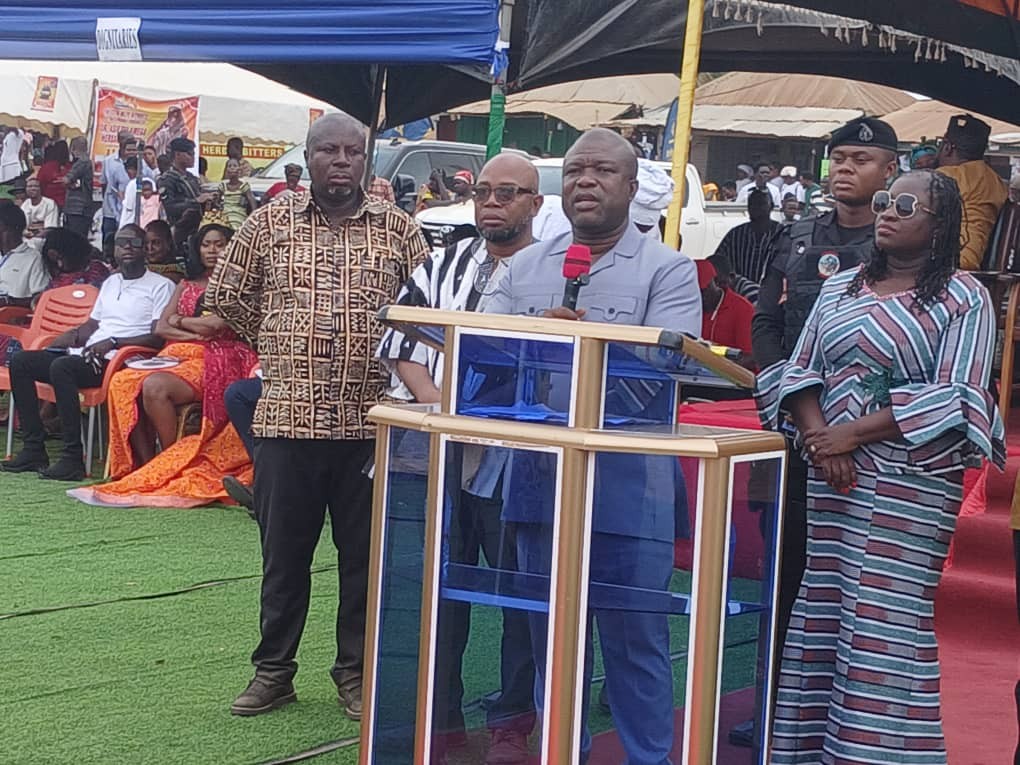
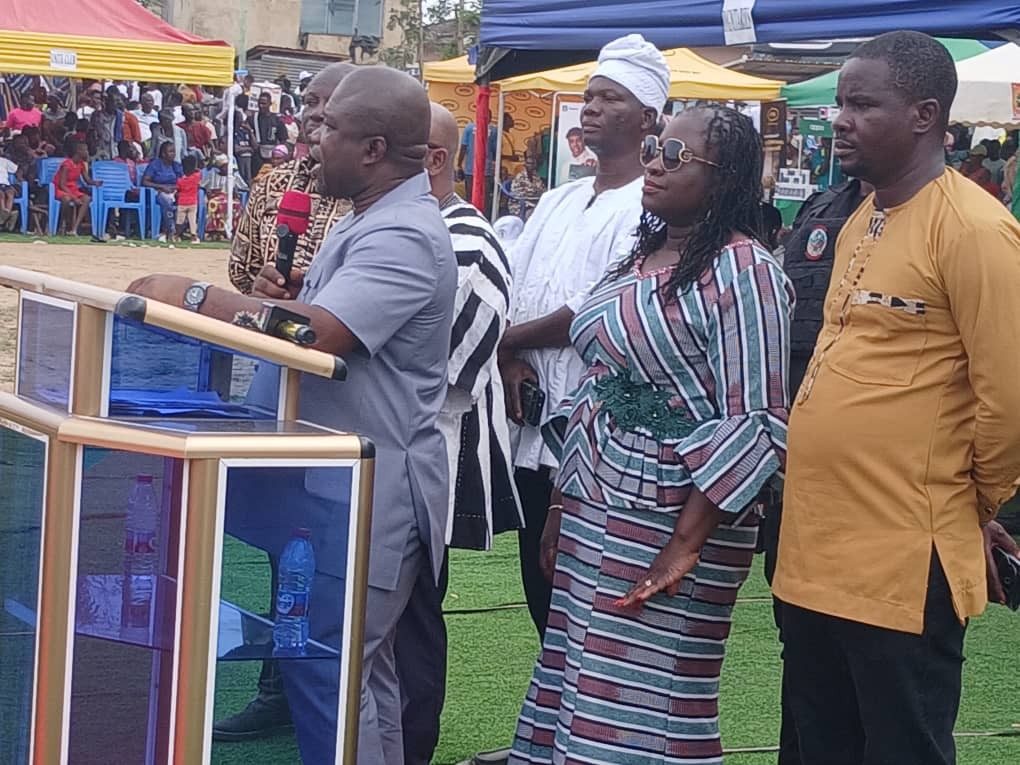
Mr. Gunu made the call when he graced the grand durbar of the 70th Mepe Afenorto Festival, held on Saturday, August 8, 2026,.

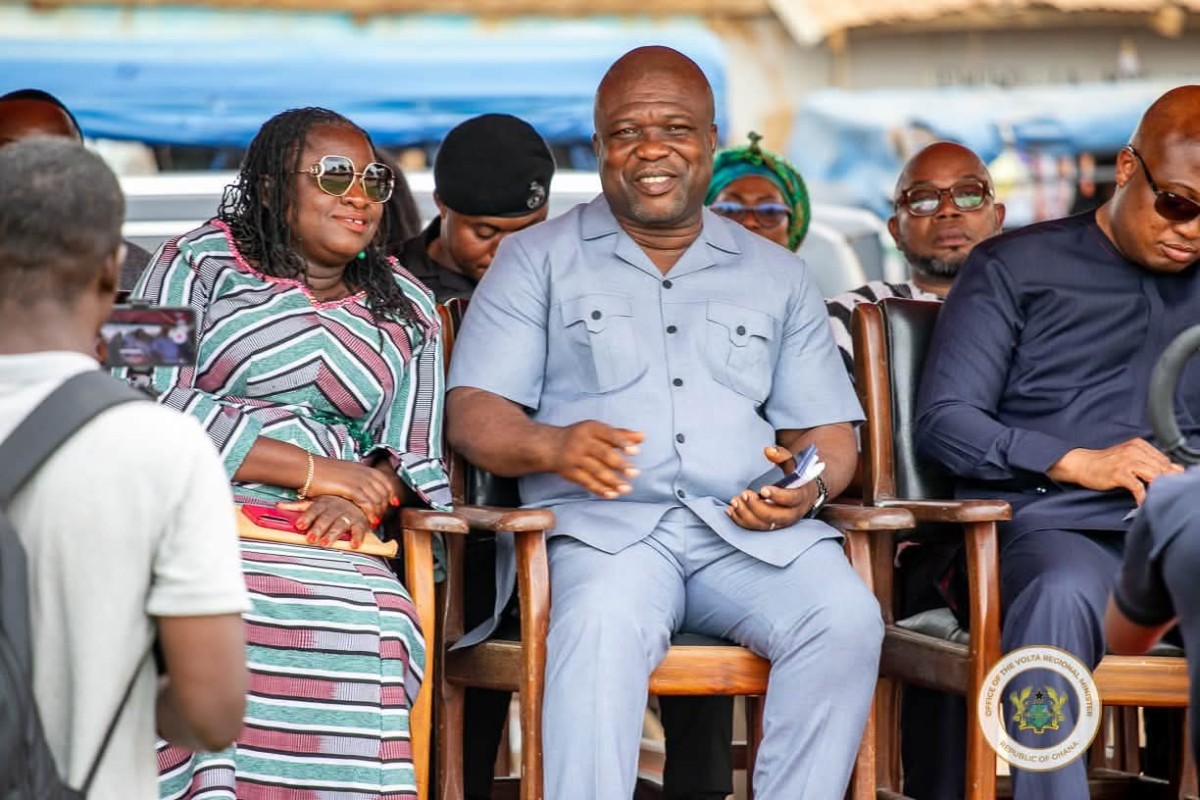
The Volta Regional Minister, James Gunu, has called on the chiefs and people of the region to end ongoing chieftaincy and land disputes, which are adversely affecting social and infrastructural development projects and programmes across various local communities.
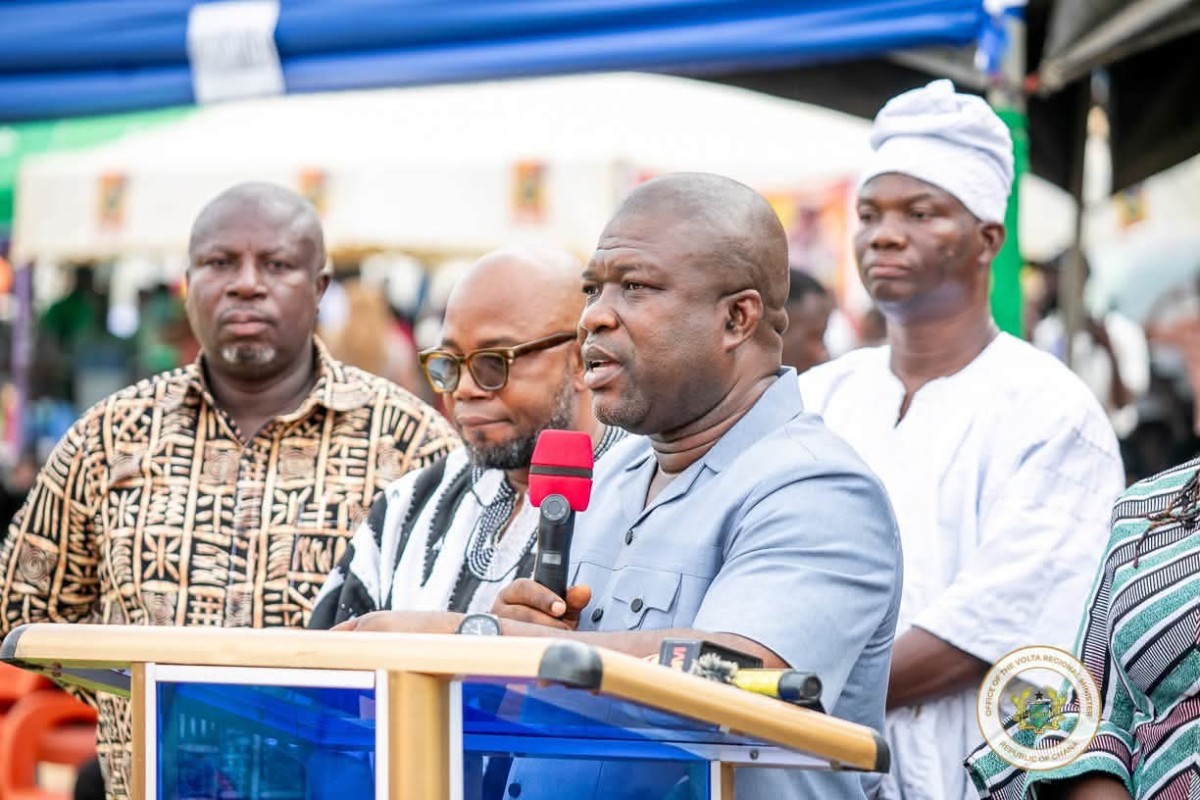
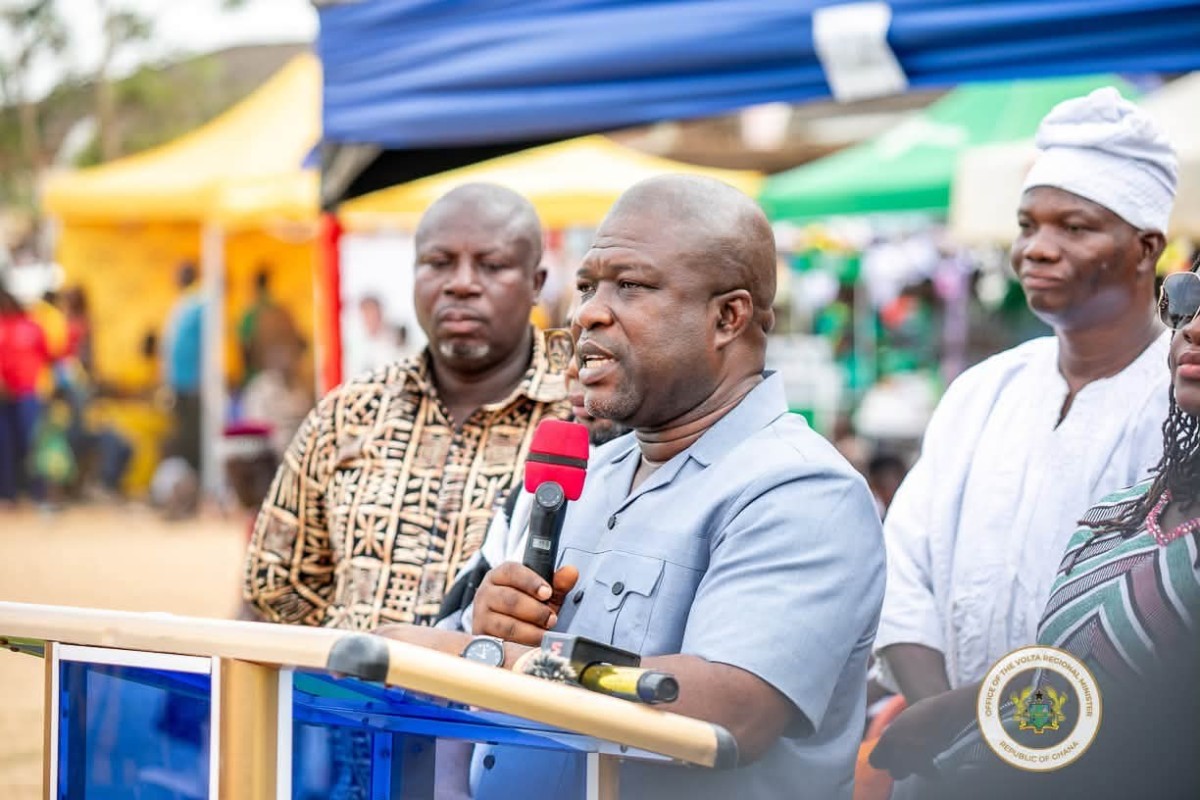
Mr. Gunu made the call when he graced the grand durbar of the 70th Mepe Afenorto Festival, held on Saturday, August 8, 2026,.
He stated that when he graced the 70th Afenorto Festival of Mepe he sees the objectives and purposes for which this annual Afenorto Festival has become celebrated and called chiefs and people of Mepe to continue to live peace, unity and harmony to ensure the purposes of the festival are derived.
He thanked the people of Mepe for celebrating the festival to instill culture heritage in the people of Mepe.
He expressed dissatisfaction with how these long-standing disputes have escalated over time, stating that it is high time lasting solutions are found to restore peace and unity to the area.
He noted that many government-led social and infrastructural interventions have been stalled as a direct result of these conflicts.
Pointing out that the region possesses vast land resources, the Minister emphasized that prospective business investors require large tracts of land.
He called on all landowners in the Volta Region to lease or release their lands to these investors, noting that this remains the best way to create sustainable jobs and boost opportunities for local residents and the youth.
He urged chiefs and traditional land custodians not to deny investors access to land for these developmental programs.
According to the Minister, if landowners refuse to release property for business establishments, the region will fail to realize its economic potential, which will ultimately hold back regional development.
To achieve sustainable economic growth, he stated that it is essential for chiefs, queen mothers, and landowners—especially those with riverfront properties—to allocate land to strategic business investors.
The Minister further explained that state-owned lands are currently insufficient to accommodate these large-scale investment projects.
He urged all traditional leaders and residents, including those within the 13 Traditional Areas of the Tongu Districts, to join forces with the government to secure land for sustainable projects that will accelerate regional investment.
"Let us, from Volor, Dorfor-Adidome, Mepe, Battor, to Podoe (Fordzorku), ensure that we support government-investor partnerships so we can move forward," the Regional Minister re-echoed.
Additionally, the Minister urged the chiefs and people of Mepe to use their annual Afenorto Festival to continue fostering peace, attracting investment opportunities, and driving development for the citizens of the area.
He invoked God's blessings for all the chiefs and people to help them succeed in their developmental endeavors, while assuring residents of the government's unwavering commitment to working closely with them to restore permanent peace and unity for the growth and success of the town.
Mr Gunu highlighted massive ongoing infrastructure works undertaken by President John Dramani Mahama in the Volta Region.
These include road construction, health facilities, market redevelopment, and rural electrification projects aimed at boosting regional development.
The Minister noted that he, alongside stakeholders like Members of Parliament (MPs) and District Chief Executives (DCEs), actively tours project sites.
They supervise the works to ensure high quality and timely completion within stipulated deadlines.
He stated that the North Tongu District holds a strategic position for President Mahama, particularly regarding the Volta Economic Corridor Project.
The Minister explained that the Volta Economic Corridor Project ties directly into the 24-Hour Economy market policy package.
The Volta Economic Corridor Project is a national spatial-industrial development initiative in Ghana approved in July 2025.
It transforms the Volta Lake basin into a net-zero green economic hub, integrating multimodal transport, two million hectares of arable land, agro-ecological parks, and industrial zones to drive the country's 24-hour economy strategy.
Project Goals and ScopeMultimodal Transport: Revitalize Volta Lake transit to move up to eight million tonnes of cargo from Tema port through Akosombo, the Afram Plains, Yeji, Buipe, and Yapei up to Tamale.Agricultural Expansion: Develop over two million hectares of arable land under irrigated "Grow 24" schemes.
Industrialization: Establish agro-industrial and manufacturing parks for food processing, textiles, and pharmaceuticals ("Make 24").Regional
Integration: Boost cross-border trade with landlocked neighbors like Burkina Faso, Mali, and Niger under the African Continental Free Trade Area (AfCFTA).
Current Status and Partnerships Institutional Framework: Managed in coordination with the 24-Hour Economy Secretariat, the Volta River Authority (VRA), and the Ghana Infrastructure Investment Fund (GIIF).
Financing and Agreements: Backed by initial feasibility agreements with the African Development Bank (AfDB) and ongoing structural concession negotiations involving international partners to attract private investment.
What's Your Reaction?
 Like
0
Like
0
 Dislike
0
Dislike
0
 Love
0
Love
0
 Funny
0
Funny
0
 Wow
0
Wow
0
 Sad
0
Sad
0
 Angry
0
Angry
0