
Mahama Billed As Guest Speaker For 70th Mepe Afenorto Festival Grand Durbar On August 8, 2026 TradtitionalLeaders Urge All Citizens Home
The milestone event centers on post-flood recovery following the Akosombo Dam disaster, aiming to mobilize reconstruction support, address housing relief, and drive economic revitalization.

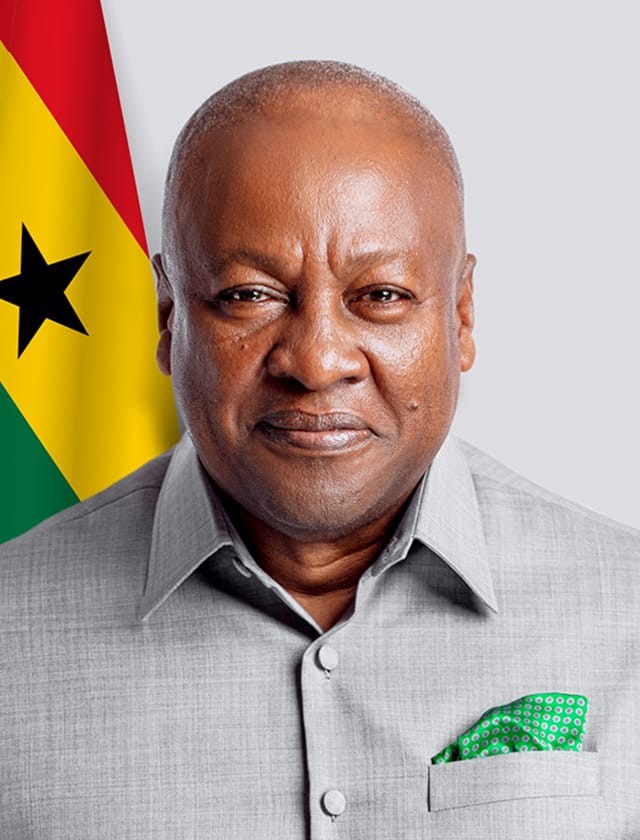
The 70th edition of the Mepe Afenorto Festival will take place on Saturday, August 8, 2026, at the Presby Junior High School (JHS ) Park under the theme "Unity, Investment and Sustainable Development," featuring President John Dramani Mahama as guest speaker to promote post-flood recovery, community resilience, and local investment.
The milestone event centers on post-flood recovery following the Akosombo Dam disaster, aiming to mobilize reconstruction support, address housing relief, and drive economic revitalization.
It marks seven decades of preserving heritage and culture, emphasizing community resilience, and promoting local investment and long-term growth.
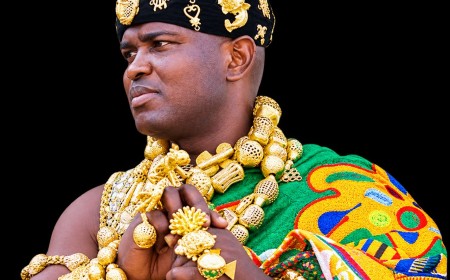
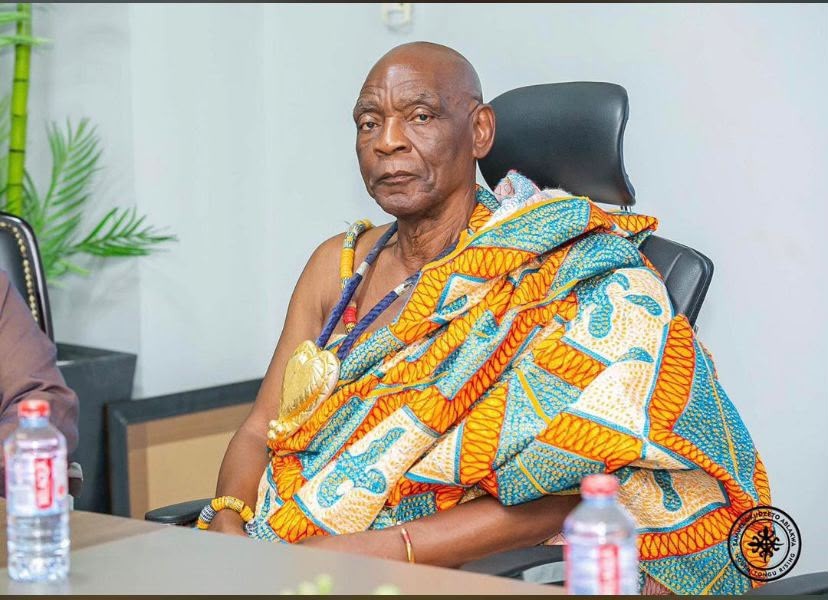
Following this development, the warrior chief of the Dzagbaku Division of the Mepe Traditional Area, Togbe Kwadzo Azagba IV, has called on all citizens to return home for the annual Afenorto Festival.
According to Togbe Azagba IV, the chiefs and people of Mepe are fully prepared to celebrate the landmark 70th edition of the festival.
Over the years, this festival has evolved into a major cultural event that unifies the five traditional clans of Mepe: Dzagbaku, Adzigo, Sevie, Gbanvie, and Akorvie.
The Afenorto festival—whose name translates to "period of rest at home"—focuses on community unity, cultural renewal, and mourning the victims of national tragedies.
This year's celebrations will feature traditional war dances, regattas, and cultural displays commemorating the rich history of the Mepe Traditional Area.
The roots of the festival are tied to the broader migration of the Ewe people from Notsie in present-day Togo.
Fleeing the tyranny of King Agokoli, the Ewes eventually settled in various parts of the Volta Region, including Mepe.
The Sagrenti War
The specific timing and annual commemoration as Afenorto emerged from Mepe's historic military alliance with the British against the Ashanti Kingdom in the 1874 Sagrenti War.
Mepe warriors fought with great valor, and their victory was celebrated by dancing to the traditional Agbekor war drums.
Meaning of "Afenorto"
Translated from Ewe as a "period of staying at home" or a "period of rest," the festival marks a time when occupational activities cease.
Historically, this allowed farmers and fishermen to rest after the major planting and fishing season and enabled citizens working across the country to return home.
Today, the festival serves as a critical mechanism for communal development. Indigenes living at home and in the diaspora use this homecoming to raise funds, resolve disputes, and plan developmental projects for the coming year.
The celebrations span over a week and are characterized by the display of the five traditional clans of Mepe (Dzagbaku, Adzigo, Sevie, Gbanvie, and Akorvie).
The grand durbar features chiefs and queen mothers in colorful regalia, traditional drumming and dancing (such as Agbekor, Asafo, and Atrikpui), and the firing of musketry
A brief history of Afenorto festival celebrated by the people of Mepe
Fenorto Festival – meaning “Period of Rest at Home” Festival -is the traditional festival of the Chiefs and people of Mepe Traditional Area. It is celebrated annually to renew the sense of oneness of the people.Holidays & Seasonal Events
It thus provides a unique opportunity for reunions, particularly bondage with the extended family and ancestors.
In 1874, General Sir Garnet Wolseley moved against the armies of the ambitious Ashanti Kingdom who were attacking the coastal tribes of the Gold Coast: the “Sagrenti War” (i.e. Sir Garnet War) as it came to be known.
Frightened by the magnitude of their forces, the Anlos chose to align with the Ashanti.
The gallant soldiers of Mepe, on the other hand, fought alongside the British colonial army for the freedom of the people of the coastline, an alliance that won most of the battles.Events & Listings
By this exceptional valor, Anlos gave Mepe the accolade “Mepe kukuruku, tsagblatsa, nekotsoe be yewoe bi dzo wu xe” – literally meaning “kernel shells (i.e. Mepe) had proven that they could produce superior quality fire compared to that which baphia nitidia (i.e. Ashanti/Anlo coalition) could” Baphia nitidia is a prickly tough wood well known for its burning prowess.
Mepe celebrated its battle victories by dancing to tunes of “Agbekor” war drums.City & Local Guides
This became an established tradition, with our forefathers setting a day aside (at the end of July) for the annual commemorations of what came to be known as “Agbekortu”.
The period was chosen to deliberately overlap the recurrent floods caused by the yearly overspill of the Volta River.Geographic Reference
During this time, most economic activities (particularly clam picking, fishing and farming) along the banks of the river came to a standstill.
So, all citizens returned home (to Mepe) on a forced occupational holiday. “Apekpoe” (family and clan meetings) were convened to resolve differences, build bridges, and deliberate on issues of welfare, marriage and so on.
Nevertheless, there was a sudden event in 1918 when an unprecedentedly high incidence and morbidity rates of “Kpata’ (the great influenza) rocked the area, causing an abrupt interruption to the annual ritual for closely four decades.Religion & Belief
A committee set up in 1951 to work on reviving the festival reported three years later the reinstating of the celebrations and recommended among other things that the “Agbekortu’ and “Time-out at Home” celebrations be integrated and christened”Afenorto” Festival.
As the dynamism of culture has never been in doubt, so Afenorto underwent some transformations in substance but maintained virtually the same pattern since its out-dooring in 1955.
The undying characteristics of Afenorto Festival are as follows:City & Local Guides
Firing of musketry and sounding of “Atupani” (talkingsounding)
Libation at “Vesime” a location where twins were traditionally out-doored
A procession of chiefs and people of Mepe Traditional Area to durbar ground amid firing of musketry, drumming and dancing. Chieftaincy and customary regalia are displayed with splendor.
The order en route to durbar ground is as follows: First comes Dzagbaku division dressed in white, followed by the Adzigo clan in green; Sevie follows cladded in yellow; Gbanvie comes next in red. At the rear is Akorvie dressed in assorted colours with the emblem of cockerel embossed.
The grand durbar is held on the second Saturday of August.
The celebrations span a little over a fortnight.
At the grand durbar, the chiefs and queen mothers sit majestically in state with their mace – their symbol of authority.
The paramount chief presents the welcome address to the guest of honour – usually a government official, who in turn gives a speech in apparent response to the paramount chief.Native Americans
The grand durbar ends in the afternoon with the return of the chiefs in their palanquins to their respective palaces with pomp and pageantry.
The ensuing days are marked by special merry making some of which are targeted at raising fund to support developmental projects in the area. State harvest, regatta, fun beach, and dances are some of the activities.
The town equally places a lot of premium on education and this is evident in the Afernorto programme featuring the annual speech and prize-giving day for all schools in the area.Events & Listings
After the cleansing of ancestral/ritual stools and final observance for the dead, the curtain is officially drawn on the festival. Non-residents then return to their various places of residence to patiently await the occasion to come around the following year.
What's Your Reaction?
 Like
0
Like
0
 Dislike
0
Dislike
0
 Love
0
Love
0
 Funny
0
Funny
0
 Wow
0
Wow
0
 Sad
0
Sad
0
 Angry
0
Angry
0