
From Raw to Refined: How Malaysian Standards Can Unlock Ghana’s Palm Oil Potential

In a spotless laboratory on the outskirts of Kuala Lumpur, a Malaysian scientist held up a small vial of amber liquid and explained, without drama, that it was worth more than a truckload of raw palm fruit.
It was tocotrienol, a potent form of Vitamin E extracted from palm oil, now used in pharmaceuticals, clinical nutrition and high-end skincare. In that moment, the distance between Ghana and Malaysia stopped being about geography. It became about ambition.
I was in Malaysia last October on a media familiarisation visit organised by the Malaysian Palm Oil Council. For a week, journalists from palm-producing countries were given rare access to plantations, research centres, refineries and policy forums. The message was consistent, and it was impossible to miss: Malaysia no longer sells palm oil. It sells science.
From Farm Crop to Industrial Asset
The clearest evidence came at the FGV Innovation Centre, where research teams are working on every fraction of the palm fruit, from oil to fibre to waste. Nothing is treated as a by-product. Everything is a potential product.
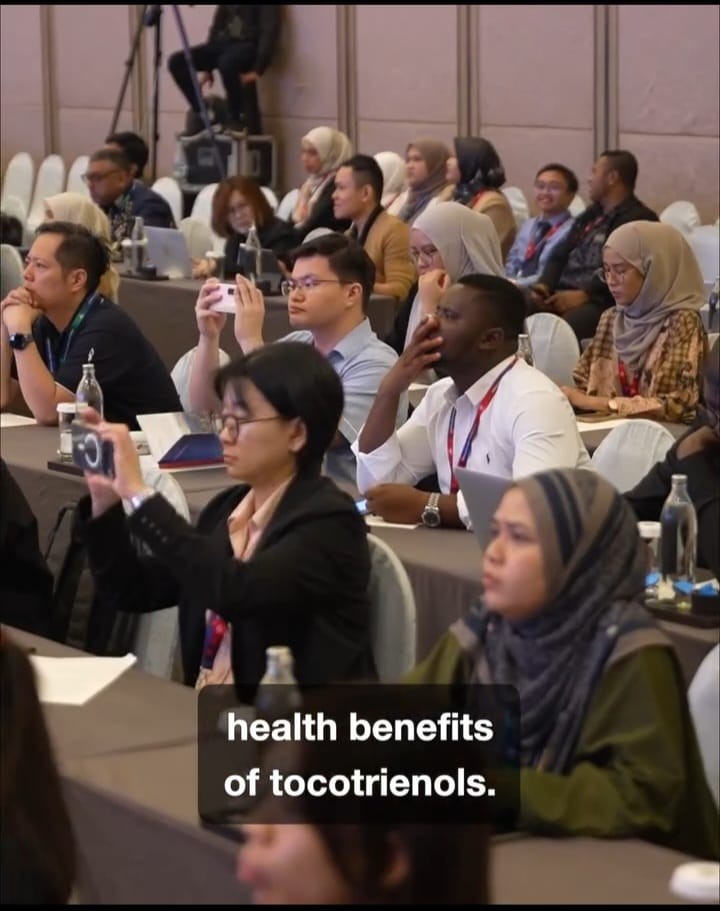
That philosophy was on full display at the Malaysian Palm Oil Scientific Series 2026, held at the Shangri-La Kuala Lumpur under the theme "From Plantation to Plate: Palm Bioactives in Health Innovation."
Researchers presented years of work on palm bioactives, functional lipids and oleochemicals, compounds now feeding global markets in health, nutrition and specialised manufacturing. These are not side projects.
They are central to how Malaysia extracts maximum value from a crop Ghana also grows in abundance.
While Ghana still largely exports crude palm oil or sells it unprocessed in local markets, Malaysia has built an ecosystem of laboratories, universities and private firms around the same tree. The difference is not the soil. It is the investment.
Sustainability As Market Power
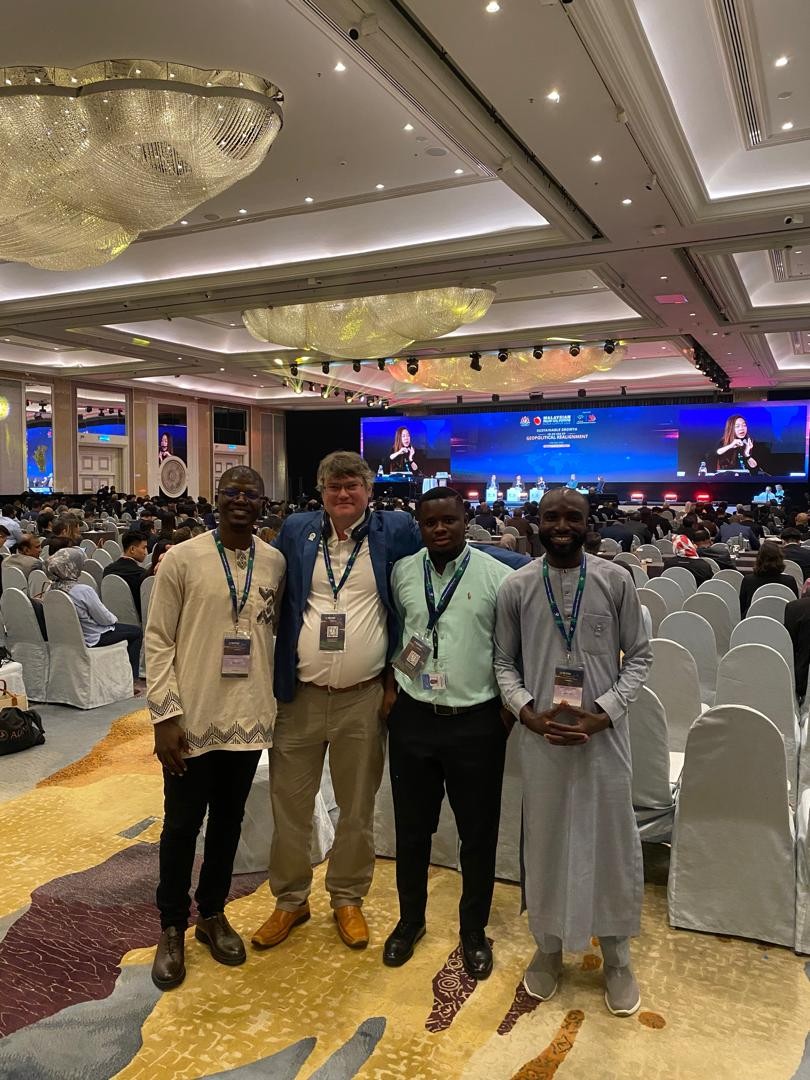
The second lesson came at the Malaysian Palm Oil Forum Kuala Lumpur 2026, themed "Sustainable Growth in an Era of Geopolitical Realignment."
Addressing policymakers, economists and traders, MPOC Chairman Dato' Carl Bek-Nielsen, Chief Executive Officer Belvinder Sron, and Malaysia's Minister of Plantation and Commodities, Datuk Seri Dr. Noraini binti Ahmad, returned repeatedly to one argument: sustainability is not a burden. It is a competitive advantage.
Malaysia has embraced certification, full traceability and zero-deforestation commitments not to please critics, but to protect its access to premium markets.
In a world where buyers in Europe, China and India demand proof of origin, compliance has become the price of entry. Malaysia paid it early, and it is now reaping the reward.
Ghana, by contrast, still debates whether environmental standards are an obstacle to growth. Malaysia has already answered that question. Standards are growth.
The Uncomfortable Comparison
It is uncomfortable to write this as a Ghanaian journalist, because the comparison flatters no one at home.
Ghana has the climate, the land and generations of knowledge in oil palm cultivation. What it lacks is coordination.
The sector remains fragmented, dominated by small-scale producers with limited access to processing, finance and research. Government policy has been inconsistent, and value addition remains an aspiration rather than a strategy.
Malaysia's rise was not accidental. It was the product of deliberate state policy, sustained funding for research, and a refusal to allow short-term profit to destroy forests and water bodies. The country understood early that if you destroy the land to grow the crop, you eventually lose both.
For Ghana, the implications are direct. If we want lasting rural jobs, a diversified export base and an end to destructive land practices, we cannot continue to treat palm oil as a subsistence crop. We must treat it as an industry.
The blueprint is not hidden. It is in Kuala Lumpur, in plain sight, in laboratories, in boardrooms and in policy documents. Ghana does not need to reinvent it. It needs to decide whether it is serious enough to follow it.
Story By: Enock Idan Danquah | Kuala Lumpur, Malaysia
What's Your Reaction?
 Like
0
 Dislike
0
 Love
0
 Funny
0
 Wow
0
 Sad
0
 Angry
0