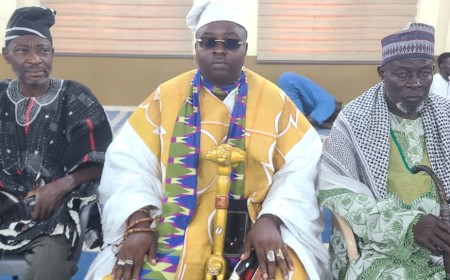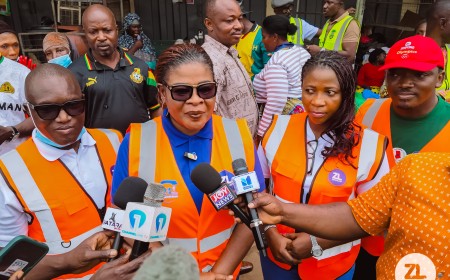

Yoowa Overlord Advises Chiefs And Landowners To Cease Selling Lands In Waterways Amid Recurring Floods
Speaking in an interview with Ezra Radio and TV Ghana in Kumasi on Thursday July, 8, 2026, the prominent traditional office holder stressed that fellow chiefs must ensure proper layouts before selling lands to developers.

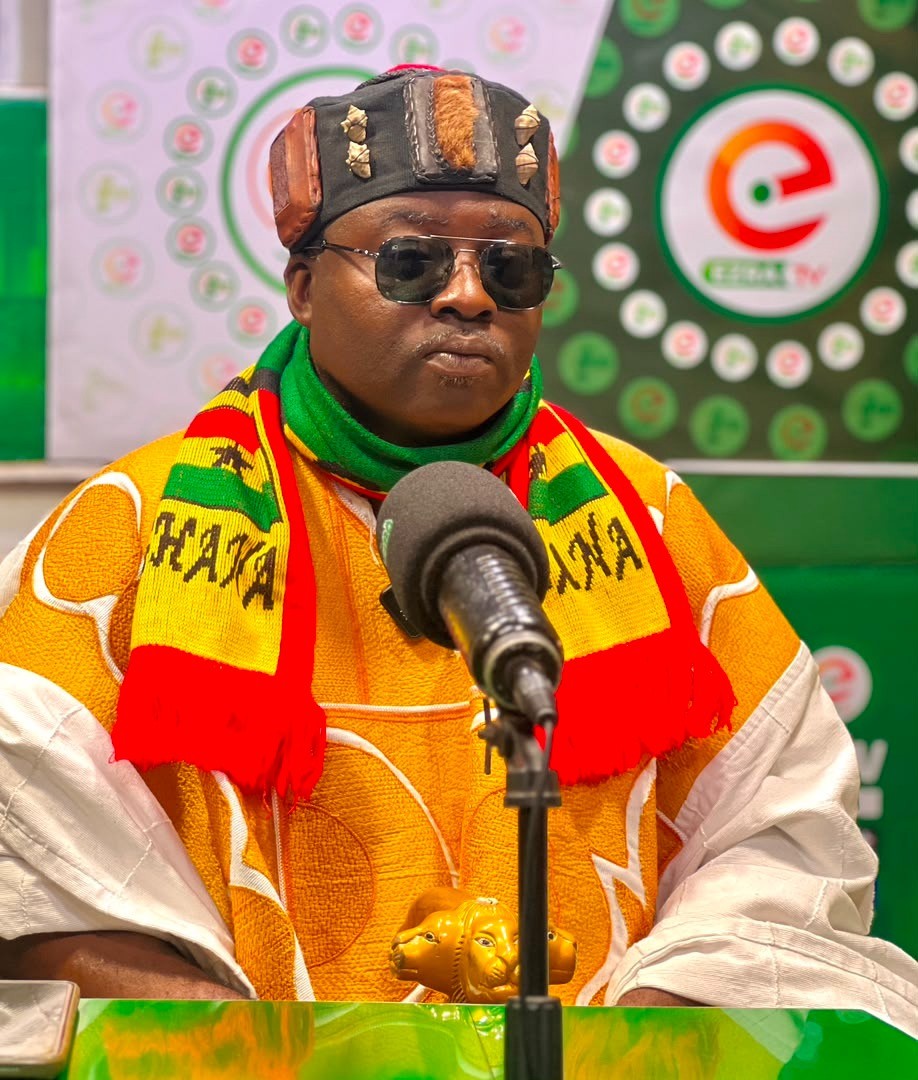
The Overlord of the Yoowa people in Ghana, His Royal Highness Saawa Yaalo Kwadaa I,has advised chiefs and landowners to stop selling lands situated on waterways to unsuspecting buyers.
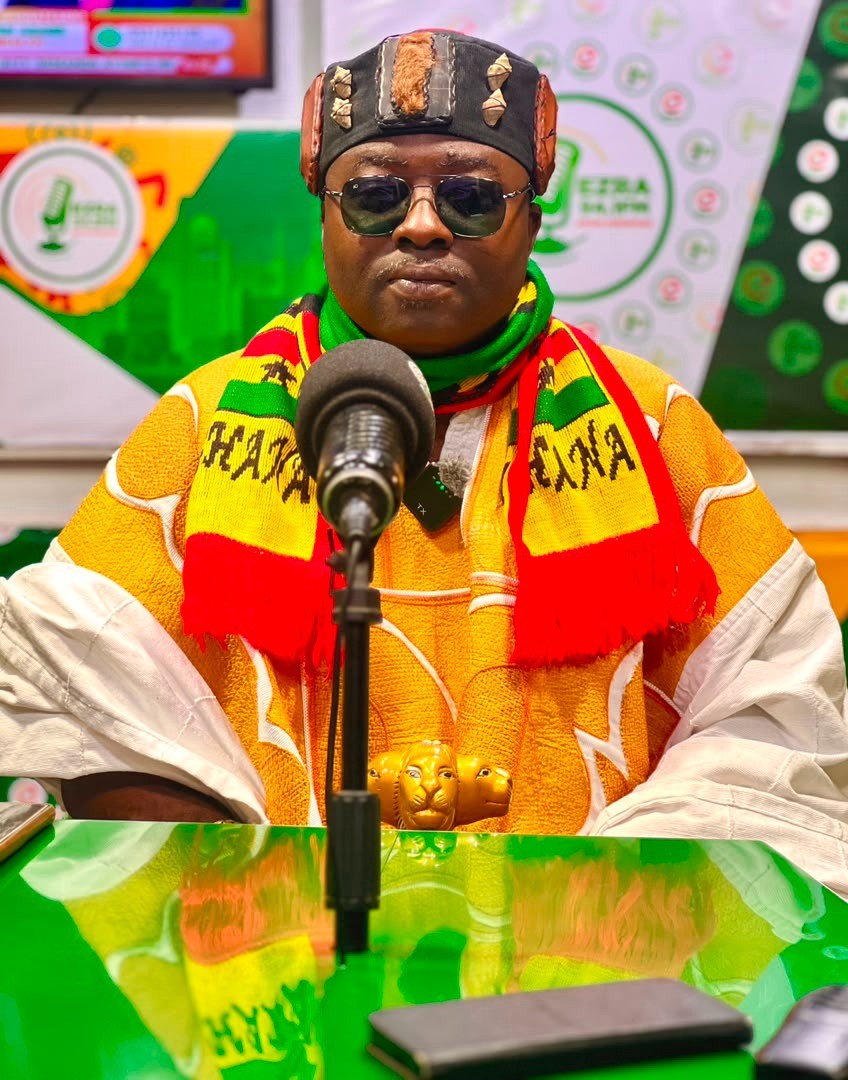
Speaking in an interview with Ezra Radio and TV Ghana in Kumasi on Thursday July, 8, 2026, the prominent traditional office holder stressed that fellow chiefs must ensure proper layouts before selling lands to developers.
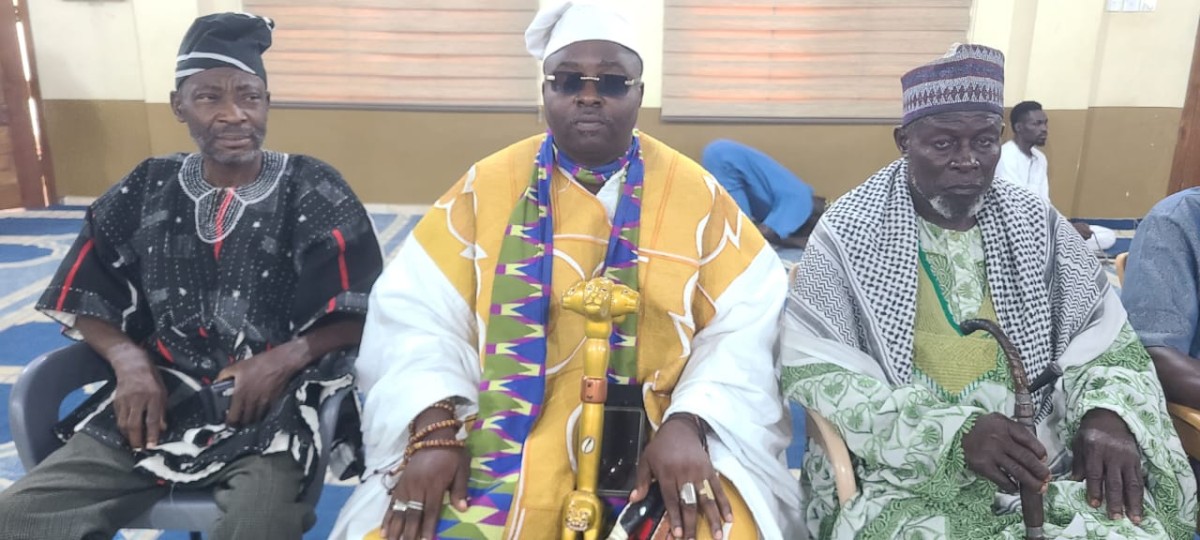
He added that this warning is essential to prevent future flood disasters whenever heavy downpours occur in Accra and other communities.
According to the chief, the Government of Ghana does not sell these lands to developers, and he blames his fellow chiefs for the recurring floods affecting communities in Accra and across the country.
He noted that it is dangerous for chiefs to designate such lands for development and instruct buyers to fill the areas in order to build structures.
He asserted that the Almighty God created rivers and their pathways, and when it rains, floodwaters must pass through these natural routes to their destinations.
The traditional leader in Ghana continues to push for an end to the sale of lands in watercourses, urging both developers and local leaders to respect natural waterways.
“Demolitions are painful, and I sympathise with those affected, but we will have to enforce the laws because these situations continue to cause loss of life.
"Is it the same chiefs selling the lands? Who sold the lands to them in the first place? Who sold those lands, government must first investigate the sellers and demand refund for the buyers," the chief stated.
His Royal Highness Saawa Yaalo Kwadaa I minced no words when he backed President John Dramani Mahama’s announcement of the government's preparation to demolish structures on waterways.
He spoke out strongly against illegal developments.
He insisted that planning regulations must be strictly enforced, and unauthorized structures that obstruct watercourses must be pulled down without exception or sentimentality.
“Every building, any structure that is on any watercourse must be pulled down. No apology to anybody....In fact, there shouldn't be any sentimental emotions to any structure which is sitting in the waterway," he further stressed.
He repeated his call on President John Dramani Mahama to convene a meeting with all paramount chiefs to formulate and strictly enforce bylaws that will combat poor environmental sanitation, and to penalize offending chiefs and landowners.
These laws would arrest, prosecute, and penalize chiefs who sell waterways and flood-prone lands to unsuspecting developers, demanding they return the money to serve as a deterrent.
The traditional leader, speaking in an interview with Sompa TV blamed the recurring flooding and resulting disasters in Ghana—particularly in Accra and the Kasoa enclaves—primarily on the indiscriminate sale of lands by chiefs and land owners .
He noted that despite political advancements and the establishment of local infrastructure, drainage gutters are often too small to handle floodwaters because developers have built structures directly over natural river paths.
The chief explained that although local governments sometimes issue building permits for these lands, the root of the problem lies with traditional leaders who knowingly sell water-prone spaces.
He emphasized that the natural pathways for rivers were created by God, yet current chiefs and land owners have ignored these dangerous conditions to sell the land, ultimately blocking access for natural water flow.
His Royal Highness Saawa Yaalo Kwadaa I called for sweeping national interventions to curb flooding, halt encroachment on waterways, and restore the environment in the country.
The prominent traditional leader expressed his deep concern over the recurring and devastating flooding that continues to affect many parts of Ghana, resulting in the loss of lives, destruction of properties, disruption of economic activities, and untold hardship for thousands of citizens.
According to him, the time has come for bold and decisive action rather than temporary solutions.
He believes that one of the major causes of flooding in the country is the indiscriminate encroachment on waterways, wetlands, ramsar sites, and natural drainage channels, many of which have unfortunately been sold for private development.
His Royal Highness therefore called on the Government of Ghana to undertake an immediate nationwide audit of all developments situated on waterways, flood-prone zones, wetlands, and Ramsar sites.
He strongly advocates for the demolition of all unauthorized structures obstructing natural watercourses, regardless of the status of the owners.
Furthermore, His Royal Highness stressed that any traditional leaders, landowners, government officials, or individuals found to have knowingly facilitated the sale or allocation of protected waterways and Ramsar sites should be made to face the full rigours of the law.
He emphasizes that environmental protection must be treated as a national security issue and not merely an administrative matter.
His Royal Highness also appealed to the government to establish dedicated environmental watchdog teams across the country and invest in modern surveillance systems, including the installation of cameras at strategic locations within cities and municipalities.
These systems would assist authorities in identifying, monitoring, arresting, and prosecuting unscrupulous individuals who deliberately dump refuse into gutters, drains, rivers, streams, and other water bodies.
According to His Royal Highness, the persistent practice of indiscriminate waste disposal continues to choke drainage systems and significantly contributes to flooding during the rainy season. He believes strict enforcement of sanitation laws will serve as a deterrent and help foster a culture of environmental responsibility among citizens.
Additionally, His Royal Highness urged the government to conduct a comprehensive review of drainage infrastructure in major cities and towns, particularly in areas that experience perennial flooding.
He advocates for the design and construction of modern drainage systems capable of efficiently managing stormwater and directing excess water into appropriate river channels and the sea.
His Royal Highness further emphasizes that accountability must be a key component of infrastructure development. Road engineers, consultants, contractors, and supervisory authorities should be held responsible for defects, poor drainage designs, and construction failures that contribute to flooding after road projects are completed.
To strengthen local responses, His Royal Highness further stressed the urgent need
for new legislation or policy reforms that will empower Metropolitan, Municipal and District Chief Executives (MMDCEs) with greater authority and resources to take immediate action against illegal developments, environmental offences, and sanitation-related violations within their jurisdictions.
"The annual flooding of our communities should not be accepted as a normal occurrence. With proper planning, enforcement of laws, accountability, and modern infrastructure, Ghana can significantly reduce and eventually eliminate many of these preventable disasters," His Royal Highness stated.
His Royal Highness Saawa Yaalo Kwadaa I expresses confidence in the leadership of His Excellency John Dramani Mahama and believes that with political will, commitment, and stakeholder collaboration, the government can initiate lasting solutions to the flooding challenge that is gradually becoming an unbearable burden on the nation.
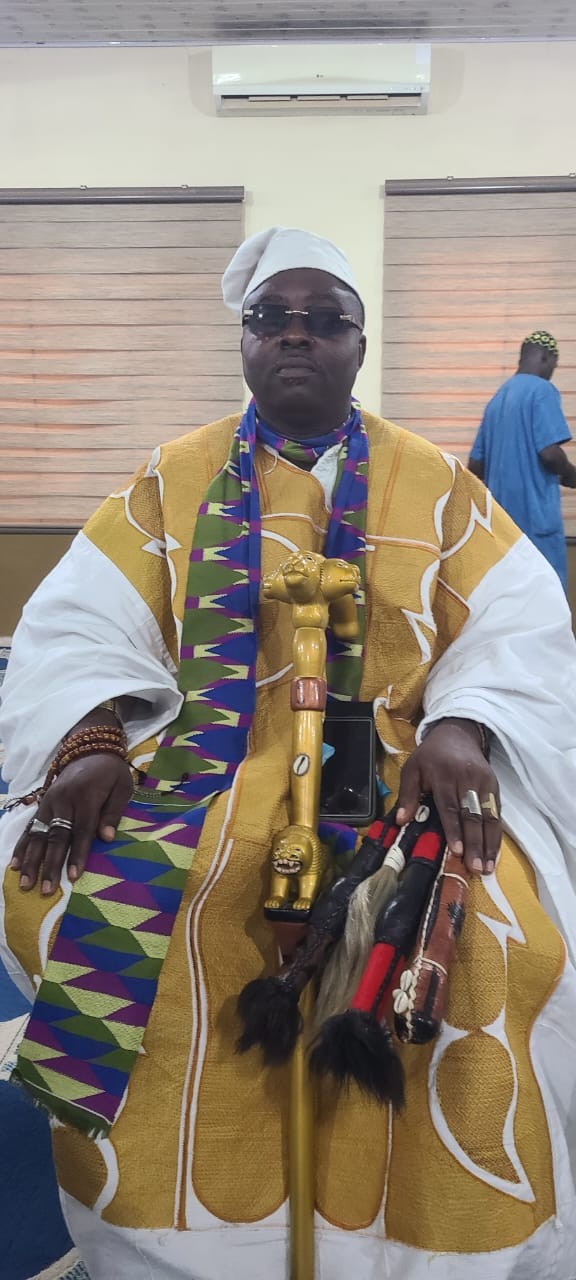
He therefore calls upon all citizens, traditional authorities, local governments, engineers, environmental agencies, and policymakers to work together in safeguarding Ghana's environment and securing a safer future for generations to come.
What's Your Reaction?
 Like
0
Like
0
 Dislike
0
Dislike
0
 Love
0
Love
0
 Funny
0
Funny
0
 Wow
0
Wow
0
 Sad
0
Sad
0
 Angry
0
Angry
0