Advancing Ghana's Sanitation Agenda: World Vision Holds 5th Executive WASH Meeting
The event focused on the theme, "Sanitation as a Key Performance Indicator for MMDCEs and the Role of Relevant Ministries, Departments, and Agencies: Prospects, Opportunities, and Constraints.

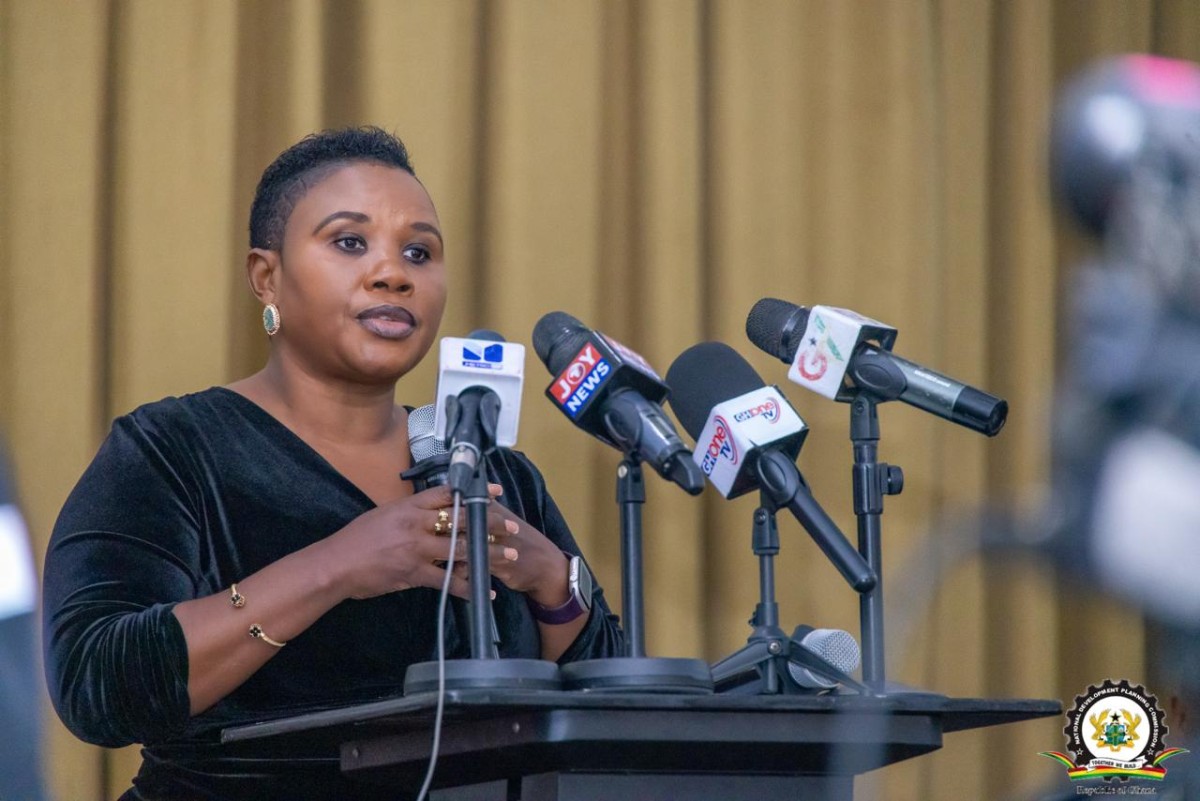
World Vision Ghana organized its 5th Executive Breakfast Meeting on Water, Sanitation, and Hygiene (WASH) on Tuesday, June 23, 2026, at the Alisa Hotel in Accra.
The event focused on the theme, "Sanitation as a Key Performance Indicator for MMDCEs and the Role of Relevant Ministries, Departments, and Agencies: Prospects, Opportunities, and Constraints.
The heavily attended meeting brought together key stakeholders from the WASH sector, including heads of ministries, departments, and agencies, members of parliament, development partners, NGO directors, civil society representatives, and academic institutions.
The primary goal was to inform policy conversations and drive crucial, actionable decisions within the WASH sector.
Addressing the participants, the National Director of World Vision Ghana, Dr. Tinah Mukunda, observed that since the inaugural event in 2022, the Executive Breakfast Conversation has been institutionalized as an important annual event on Ghana's water sector calendar.
She expressed satisfaction that the conversations have moved beyond mere talk, becoming solution centers that produce practical and groundbreaking recommendations to address the service delivery challenges facing the WASH sector as an organization.
According to her, these recommendations have been critical in shaping World Vision’s strategic intent and programming priorities.She noted that today's conversation should be approached with a high sense of urgency due to institutional hiccups—particularly the absence of technical agents between the Ministry and the Metropolitan, Municipal, and District Assemblies (MMDAs)—as well as a weak laboratory environment and stagnation in environmental sanitation progress
As an example, she pointed out that open defecation rates have virtually remained the same and unchanged since 2015, whereas other sub-Saharan African countries have reduced them by 15%.
She also highlighted an unresolved solid waste crisis, which poses a serious threat to public health and the socio-economic well-being of children and their families.
Recapping the history of these events, she stated that the 2022 conversation focused on the theme, "Unlocking Ghana's Safe Drinking Water and Environmental Sanitation Puzzle."
In 2023, the dialogue centered on MMDAs and water service delivery, while 2024 focused on repositioning WASH as a key driver of national development.
Last year, the meeting discussed the reorganization of the Ministry of Sanitation and Water Resources and its potential impact on WASH service delivery.
The conclusion from that meeting was that, regardless of whether the sector falls under one ministry or two, stakeholders should focus on only one outcome: greater prioritization and increased investment for accelerated, inclusive WASH services delivery that leaves no one behind.
"We wish to commend and thank His Excellency the President, John Dramani Mahama, and the government of Ghana for making environmental sanitation a national development priority," she noted. "It is truly refreshing to note that the recommendations of previous conversations may have found favor with the government, which has taken steps to implement two major policy initiatives: making sanitation a key performance indicator for MMDAs, and allocating up to 10% of the District Assemblies Common Fund toward improved environmental sanitation."
She indicated that this has the potential to trigger a national consciousness and reawaken national sanitation goals as the country navigates the prospects, opportunities, and constraints of this bold declaration.
She stressed that stakeholders in the WASH sector should be united in one objective: greater prioritization and increased investment for improved environmental sanitation.
She reaffirmed that World Vision Ghana, which has been present in the country for over 47 years, remains fully committed to working with all partners—including MMDAs and relevant stakeholders—to make a difference by bringing hope, joy, and justice to children and their families.
Dr. Mukunda assured the public of World Vision's continued commitment to ensuring that everyone, everywhere, enjoys a clean and healthy environment, leading to improved health and socio-economic well-being.
She stated that nothing can be more important to child well-being than access to safe drinking water, improved sanitation facilities, and hygiene. This is why World Vision prioritizes the delivery of these interventions.
She described WASH as a foundational bedrock that underpins quality education, poverty reduction, and the overall socio-economic well-being of families.
"Together, we can realize our vision for every child: life in all its fullness. Of course, as a Christian organization, our prayer for every child is for them to experience this, which can only happen through meaningful discourse and mutual cooperation," she emphasized.
She concluded by welcoming all WASH sector players to the 2026 Executive Breakfast Conversation and expressed her trust that participants would find the engagement worthwhile, insightful, and highly productive.
What's Your Reaction?
 Like
0
Like
0
 Dislike
0
Dislike
0
 Love
0
Love
0
 Funny
0
Funny
0
 Wow
0
Wow
0
 Sad
0
Sad
0
 Angry
0
Angry
0